Trailer truck parking is a critical part of every driver’s trip plan, yet many misconceptions continue to circulate throughout the trucking industry. Some of these myths can lead to wasted time, increased costs, safety risks, and even regulatory issues. For truck drivers, understanding the facts about trailer truck parking is essential for making informed decisions on the road.
Whether you’re a new CDL holder or a veteran driver with years of experience, separating fact from fiction can help you find safer parking, protect your equipment, and avoid unnecessary stress. This guide examines some of the most common trailer truck parking myths and explains what drivers should know instead.
Why Trailer Truck Parking Myths Continue to Spread
Many trailer truck parking myths originate from outdated information, personal anecdotes, or assumptions that may have been true years ago but no longer apply. As freight volumes grow and parking availability changes across the country, drivers need accurate and current information.
Several factors contribute to parking misconceptions:
- Regional differences in parking availability
- Changes in local regulations
- Evolving security concerns
- Increased demand for truck parking spaces
- Conflicting advice shared among drivers
Understanding these factors helps drivers evaluate parking advice more critically and make better decisions during trip planning.
Myth #1: Free Parking Is Always the Best Option
One of the most common trailer truck parking myths is that free parking is automatically the smartest choice.
While free parking can reduce operating expenses, it may not always provide the safest or most convenient solution. Many free parking locations offer limited lighting, minimal security, and fewer amenities. In some cases, parking in an unsecured area can expose drivers and cargo to unnecessary risks.
When evaluating parking options, consider:
- Security measures available
- Lighting conditions
- Proximity to your route
- Access to restrooms and services
- Local parking regulations
A paid parking location may save money in the long run by reducing theft risks, avoiding violations, and improving overall efficiency.
Myth #2: You Can Always Find Truck Parking at the End of the Day
Many drivers assume they will easily find trailer truck parking whenever they are ready to stop driving. Unfortunately, this belief often leads to last-minute parking challenges.
Truck parking demand frequently exceeds available capacity, especially near major freight corridors, distribution centers, and metropolitan areas. Waiting until the final hour of your available drive time can leave few options available.
A better approach is to:
- Identify parking options before starting your shift
- Monitor available hours throughout the day
- Have backup parking locations planned
- Consider arriving earlier during peak travel periods
Proactive planning significantly increases the chances of securing a safe parking space.
Myth #3: All Truck Parking Locations Offer the Same Level of Security
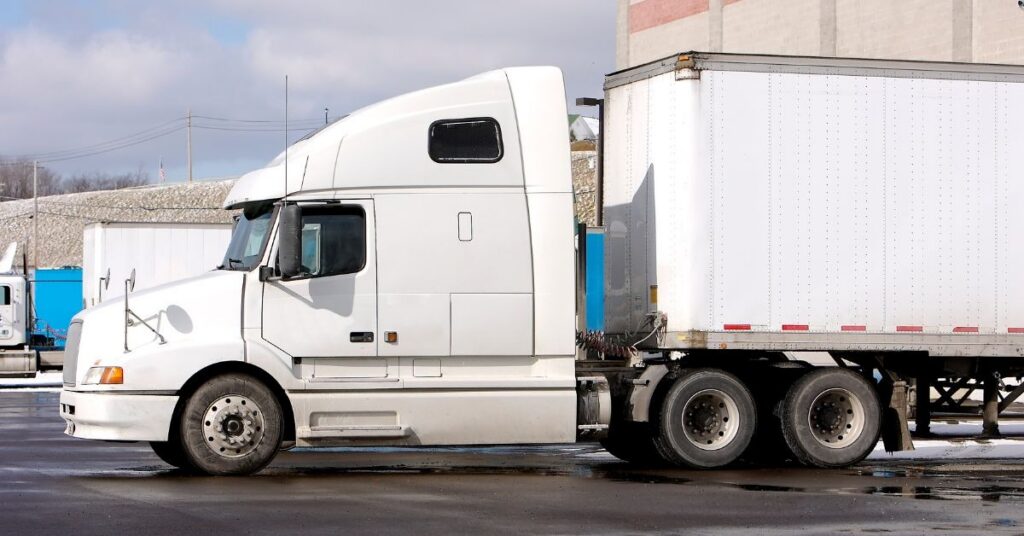
Not all trailer truck parking facilities provide equal protection.
Security measures vary widely between locations. Some facilities feature controlled access gates, surveillance cameras, perimeter fencing, and on-site personnel. Others may simply provide a parking lot with little oversight.
Drivers hauling high-value freight should evaluate security features before selecting a parking location.
Important security factors include:
- Camera coverage
- Access control systems
- Lighting quality
- Visible security patrols
- Location crime history
Choosing secure trailer truck parking can reduce the likelihood of cargo theft, vandalism, and equipment damage.
Myth #4: Parking on the Shoulder Is Usually Acceptable
Some drivers believe roadside shoulders are acceptable parking solutions whenever traditional parking options are unavailable.
In reality, shoulder parking is generally intended for emergencies. Parking on a highway shoulder without a legitimate emergency may violate local laws and create safety hazards for both truck drivers and motorists.
Risks associated with shoulder parking include:
- Vehicle collisions
- Limited visibility
- Law enforcement citations
- Unsafe entry and exit conditions
- Increased stress and fatigue
Whenever possible, drivers should use designated truck parking areas instead of relying on roadside shoulders.
Myth #5: Trailer Parking Is Only a Problem in Major Cities
Urban areas often receive attention for truck parking shortages, but parking challenges extend well beyond city limits.
Many rural locations experience parking shortages due to limited infrastructure, seasonal freight demand, and growing truck traffic. Popular freight corridors frequently see parking facilities fill up regardless of whether they are located in urban or rural regions.
Drivers should not assume parking availability based solely on location. Researching parking options ahead of time remains important regardless of destination.
Myth #6: Experience Alone Solves Parking Challenges
Experience certainly helps drivers identify reliable parking locations and avoid common mistakes. However, even highly experienced drivers face parking difficulties when demand exceeds supply.
Modern trucking operations benefit from combining experience with planning tools, route analysis, and real-time parking information.
Successful drivers often use:
- Route planning software
- Parking reservation systems
- Fleet communication tools
- Freight scheduling coordination
- Backup parking strategies
Experience remains valuable, but preparation is equally important.
How to Make Better Trailer Truck Parking Decisions
The most effective parking decisions are based on facts rather than assumptions.
Drivers can improve parking outcomes by following a simple process:
Step 1: Plan Ahead
Identify primary and secondary parking locations before beginning your route.
Step 2: Prioritize Safety
Evaluate security features, lighting, and traffic conditions.
Step 3: Monitor Available Hours
Avoid waiting until the final minutes of your Hours of Service limit.
Step 4: Stay Flexible
Weather, traffic, and parking demand can change throughout the day.
Step 5: Review Local Rules
Understand parking restrictions and regulations in your operating area.
Using this approach helps reduce uncertainty and improves trip efficiency.
Frequently Asked Questions
In many situations, yes. Paid parking often provides better security, improved amenities, and reduced risk of violations or cargo theft.
Parking shortages result from growing freight demand, limited infrastructure expansion, and increasing numbers of commercial vehicles competing for available spaces.
When reservation options are available, reserving a parking space can reduce uncertainty and improve trip planning, especially in high-demand areas.
Not necessarily. Safety levels vary between locations. Drivers should evaluate security features and surroundings before parking.
Safety should be the top priority. A secure location helps protect the driver, vehicle, trailer, and cargo while reducing overall risk.
Conclusion
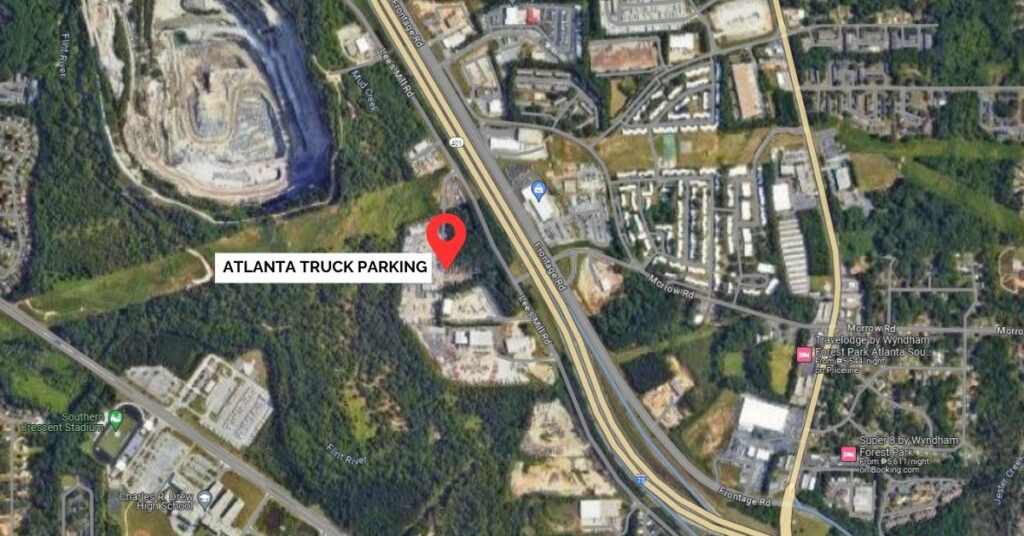
Many trailer truck parking myths persist because they are repeated often, not because they are accurate. Understanding the realities of parking availability, security, regulations, and planning can help truck drivers make safer and more efficient decisions on the road. By relying on facts instead of assumptions, drivers can improve trip planning, reduce stress, and better protect their equipment. To learn more about practical parking solutions and industry best practices, explore additional trucking resources or contact Atlanta Truck Parking LLC for guidance on secure parking options.