Parking for truck and trailer equipment is about more than simply finding an open space for the night. For truck drivers, choosing the right parking location directly affects cargo security, personal safety, operational efficiency, and compliance with Hours of Service regulations. Cargo theft, trailer break-ins, and unsecured parking areas continue to create major concerns across the trucking industry.
Understanding how to choose secure parking for truck and trailer combinations can help drivers reduce risk and protect valuable freight. This guide explains the most important security considerations, common threats, and practical strategies drivers can use every day on the road.
Why Parking for Truck and Trailer Security Matters
Parking security matters because unattended trucks and trailers are common targets for theft and vandalism. Criminals often look for poorly lit parking lots, isolated areas, or locations with minimal surveillance.
The risks associated with insecure parking include:
- Cargo theft
- Trailer tampering
- Fuel theft
- Equipment damage
- Delayed deliveries
- Insurance complications
For drivers hauling high-value freight, electronics, pharmaceuticals, or retail goods, secure parking becomes even more important. A single security incident can create financial losses for both carriers and customers.
Proper parking for truck and trailer equipment reduces exposure to these risks while improving peace of mind during rest periods.
How to Choose Safe Parking for Truck and Trailer Setups
The safest parking locations combine visibility, controlled access, and strong security practices. Drivers should evaluate parking areas carefully before leaving their equipment unattended.
When selecting parking for truck and trailer combinations, look for these features:
Good Lighting
Well-lit areas discourage criminal activity and improve visibility around the vehicle.
Surveillance Cameras
Visible camera systems can deter theft attempts and provide evidence if incidents occur.
Controlled Entry Points
Facilities with gates, coded access, or security personnel limit unauthorized access.
High Driver Activity
Busy truck parking areas are often safer than isolated locations because there are more witnesses nearby.
Clear Parking Layouts
Organized parking lots reduce confusion and make suspicious activity easier to spot.
Drivers should avoid parking in abandoned lots, dark industrial areas, or locations with limited visibility whenever possible.
Common Cargo Theft Risks Drivers Should Know
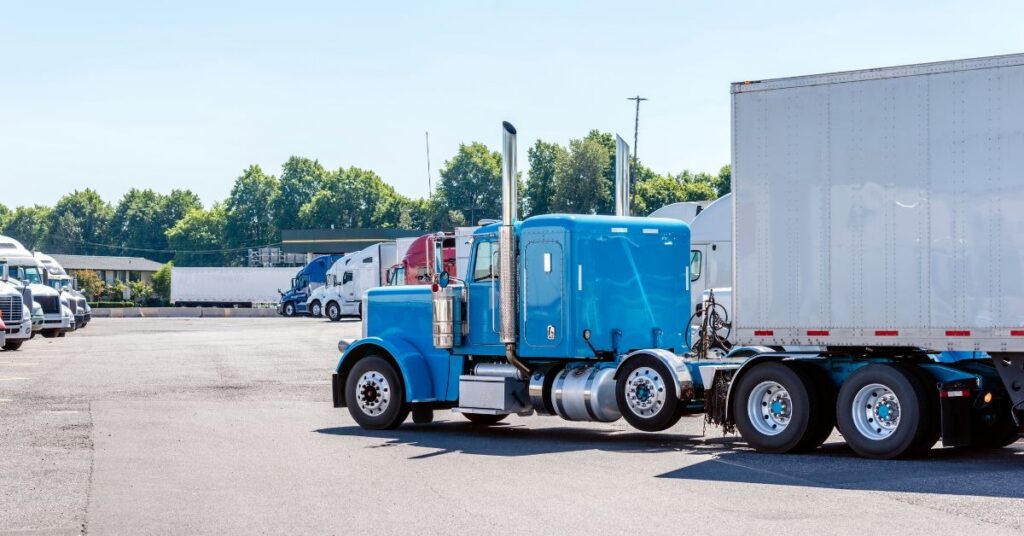
Cargo theft can happen quickly, especially when thieves target predictable parking habits or unsecured trailers. Understanding common theft methods helps drivers recognize warning signs earlier.
Some of the most common risks include:
- Trailer door tampering
- Fake law enforcement stops
- Fuel theft during overnight parking
- Unattended idling vehicles
- Theft during loading and unloading delays
High-risk theft areas are often located near:
- Major freight corridors
- Distribution centers
- Ports and rail yards
- Large metropolitan regions
Drivers should remain alert when operating in known cargo theft hotspots and avoid discussing freight details publicly.
Security Features That Improve Parking for Truck and Trailer Safety
Modern security tools can significantly improve parking protection for both trucks and trailers.
Useful security features include:
Trailer Locks
Heavy-duty locks help prevent unauthorized trailer access.
GPS Tracking Systems
Tracking devices allow fleets to monitor trailer locations in real time.
Motion Sensors
Motion alerts can notify drivers or fleet managers about suspicious activity.
Dash Cameras
Cameras provide additional documentation and increase visibility around the vehicle.
Smart Parking Apps
Some truck parking apps display security ratings, driver reviews, and real-time availability information.
Technology should support good decision-making rather than replace it. Drivers still need to assess surroundings and remain aware of potential risks.
Best Practices for Overnight Parking for Truck and Trailer Equipment
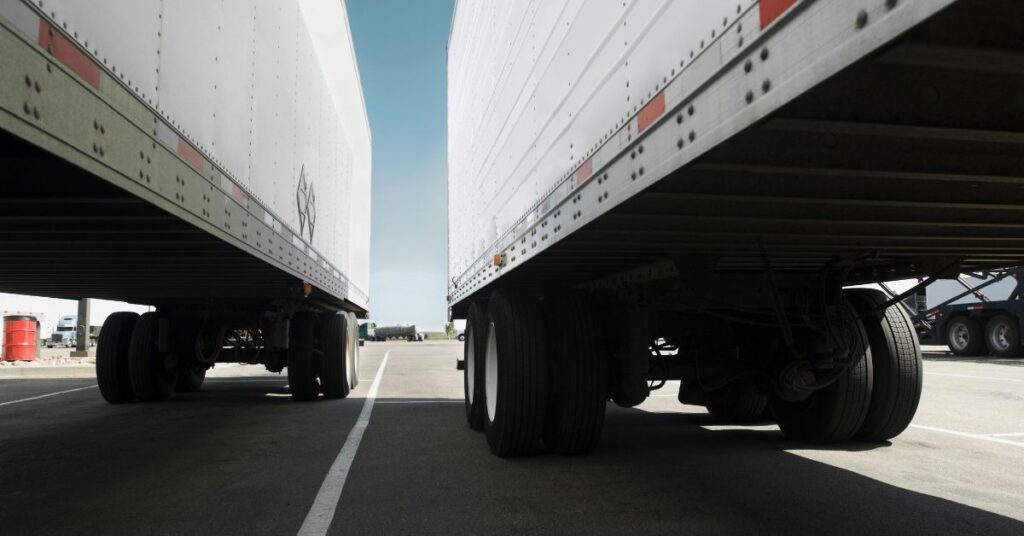
Safe overnight parking starts with preparation and awareness. Drivers who follow consistent security habits are better positioned to avoid problems and reduce the risk of theft or damage. Whenever possible, arrive early to increase the chances of securing a well-lit and monitored parking space. Before parking, take a moment to inspect the area for broken lighting, suspicious activity, or signs of previous criminal incidents. Positioning the trailer with its doors backed against a wall, fence, or another trailer can make unauthorized access more difficult.
Drivers should also keep valuables out of sight, properly lock trailer doors, windows, and cab access points, and remain aware of their surroundings throughout their stay. If any suspicious behavior is observed, it should be reported to parking management or local law enforcement. These simple but effective habits can significantly improve security and provide greater peace of mind during overnight stops.
Why Parking Availability Impacts Security
Parking shortages often force drivers into less secure locations. When legal parking fills up late at night, some drivers resort to isolated lots, highway shoulders, or unauthorized parking areas.
Limited parking availability creates several security concerns:
- Reduced lighting options
- Increased driver fatigue
- Less time to evaluate parking areas
- Greater exposure to theft-prone locations
Planning routes in advance and identifying backup parking locations can help drivers avoid rushed decisions.
FAQ
The safest parking locations typically offer lighting, surveillance cameras, controlled access, and regular truck traffic. Secured truck parking facilities usually provide stronger protection than isolated lots.
Commercial freight often contains high-value goods that can be resold quickly. Thieves look for easy access, poor security, and unattended equipment.
In many cases, paid parking provides better security features and lower theft risk. Drivers should compare security benefits against cost and location convenience.
Drivers can improve security by using trailer locks, p arking in visible areas, backing against barriers, and selecting locations with cameras or security personnel.
Yes. Cargo theft rates are generally higher near major freight hubs, ports, and densely populated metropolitan areas with heavy trucking activity.
Conclusion
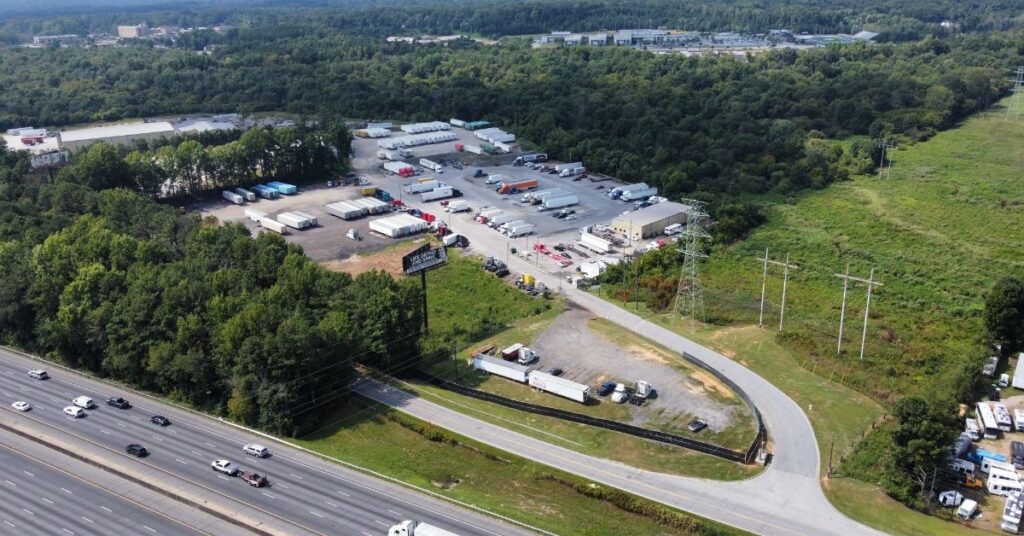
Parking for truck and trailer equipment plays a major role in cargo security, driver safety, and operational efficiency. Understanding how to identify secure parking locations and reduce theft risks can help truck drivers make smarter decisions on the road. By combining careful planning, strong security habits, and reliable parking strategies, drivers can better protect their equipment and freight. To learn more about secure truck parking practices and available parking solutions, explore additional trucking resources or contact Atlanta Truck Parking LLC for guidance.