
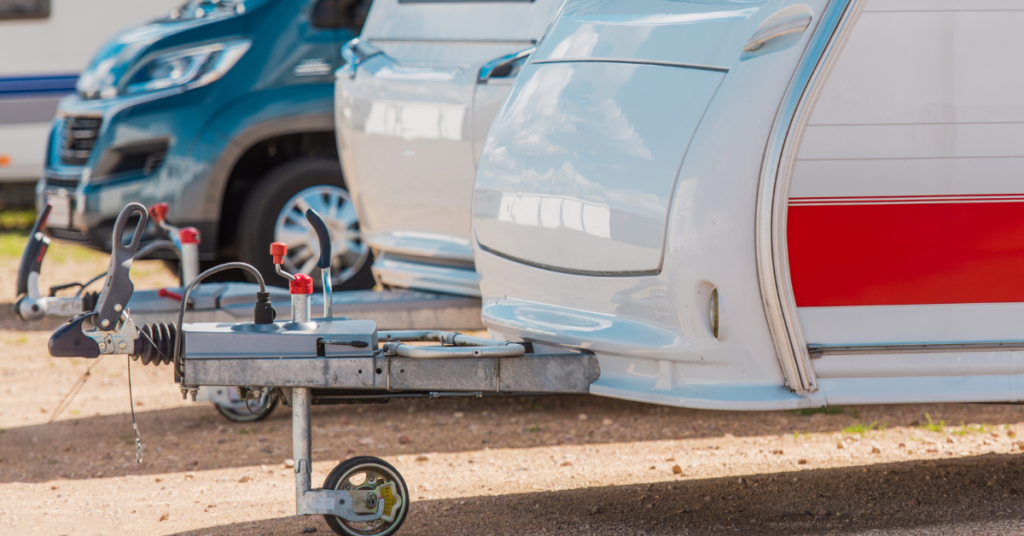
If you own an RV, choosing the right storage facility is one of the best ways to protect your investment. Whether you store it for a few weeks or several months, proper storage helps prevent theft, weather damage, mechanical issues, and unnecessary repair costs. This guide explains how to prepare your RV, what security features to look for, how quality facilities reduce damage, and the best practices to keep it ready for your next adventure.
Prepare Your RV Before Taking It to an RV Storage Facility
Proper preparation is the first step toward keeping your RV in excellent condition during storage. Even the most secure RV storage facility cannot prevent issues caused by poor maintenance before storage.
Before parking your RV, complete the following checklist:
- Wash the exterior to remove dirt, bugs, tree sap, and road salt.
- Clean the interior thoroughly to eliminate food crumbs that attract pests.
- Empty all holding tanks and freshwater systems.
- Disconnect or maintain the battery according to the manufacturer’s recommendations.
- Inflate tires to the recommended pressure.
- Top off fuel if recommended for your engine type and add a fuel stabilizer for long-term storage.
- Check engine oil, coolant, and other essential fluids.
- Close windows, vents, and roof openings securely.
Preparing your RV properly reduces the likelihood of mold, corrosion, tire damage, battery failure, and unwanted odors while it remains parked.
Why Preparation Matters
Many RV owners assume storage alone protects their vehicle. In reality, neglecting routine maintenance before storage often causes more damage than exposure to the elements. A few hours of preparation can save hundreds or even thousands of dollars in future repairs.
RV Storage Facility Security Essentials
A secure storage facility does much more than provide a parking space. It should actively protect your vehicle from theft, vandalism, and unauthorized access.
Look for these essential security features:
- Gated access with keypad or electronic entry
- 24/7 video surveillance
- Bright LED lighting throughout the property
- Perimeter fencing
- On-site management or security personnel
- Clearly assigned parking spaces
- Limited access hours or monitored entry logs
These features work together to discourage criminal activity and provide better accountability for who enters the property.
Questions to Ask Before Choosing a Facility
Before signing a rental agreement, ask:
- Is the property monitored around the clock?
- Are security cameras actively recording?
- How often are the grounds inspected?
- Is access restricted to customers only?
- What happens if there is an emergency?
Clear answers to these questions help you evaluate whether a facility takes security seriously.
How a Storage Facility Prevents Damage

An RV storage facility helps minimize environmental and physical risks that often occur when an RV is parked at home or on an unsecured lot.
Weather Protection
Depending on the facility, storage options may include:
- Outdoor uncovered parking
- Covered RV parking
- Fully enclosed indoor storage
Covered and indoor options provide additional protection from:
- UV exposure
- Heavy rain
- Snow and ice
- Hail
- Falling branches
Reducing direct weather exposure helps preserve paint, roofing materials, seals, tires, and exterior components.
Reduced Risk of Accidental Damage
Professional storage facilities are designed specifically for larger vehicles. Wide driving lanes, designated parking spaces, and organized layouts reduce the chance of accidental dents or collisions.
Better Long-Term Vehicle Preservation
Long-term storage is safer when your RV remains in a controlled environment with fewer external hazards. Consistent protection helps preserve resale value and reduces maintenance costs over time.
Pest Prevention Strategies While Your RV Is in Storage
Rodents and insects can cause expensive damage by chewing wiring, nesting inside insulation, and contaminating living areas. Preventing pests before storage is much easier than removing them later.
Follow these best practices:
- Remove all food items.
- Vacuum carpets and storage compartments.
- Seal small openings where rodents may enter.
- Close plumbing access points when possible.
- Store cushions and fabrics clean and dry.
- Inspect underneath the RV before leaving it.
If permitted by the storage facility, consider placing rodent deterrents or traps around vulnerable areas. Avoid using products that could damage interior materials or create unpleasant odors.
Regular inspections during long-term storage can help identify pest activity before it becomes a major problem.
Inspect Your RV Before Your Next Trip
When it’s time to take your RV out of storage, perform a complete inspection before hitting the road.
A good inspection should include:
- Checking tire pressure and tread condition
- Testing battery voltage
- Looking for fluid leaks
- Examining roof seals and exterior caulking
- Inspecting lights and electrical systems
- Testing brakes if applicable
- Running appliances and plumbing systems
- Looking for signs of pests or moisture
Taking time for a thorough inspection improves safety and helps avoid unexpected breakdowns during travel.
Frequently Asked Questions
If possible, inspect your RV every 30 to 60 days. Regular visits allow you to identify battery issues, leaks, pest activity, or tire problems before they become costly repairs.
Covered storage provides additional protection from sun, rain, and hail while remaining more affordable than fully enclosed storage. The best option depends on your local climate, budget, and how long the RV will remain stored.
Some RV storage facilities offer electrical hookups, while others do not. If hookups are available, follow your battery manufacturer’s recommendations and avoid overcharging by using an appropriate battery maintenance system.
The most important features include gated access, surveillance cameras, perimeter fencing, adequate lighting, and controlled customer access. Facilities with on-site staff provide an additional layer of security.
An RV can remain in storage for several months when properly prepared. Routine maintenance, periodic inspections, and selecting a secure storage facility help prevent problems during extended storage periods.
Final Thoughts
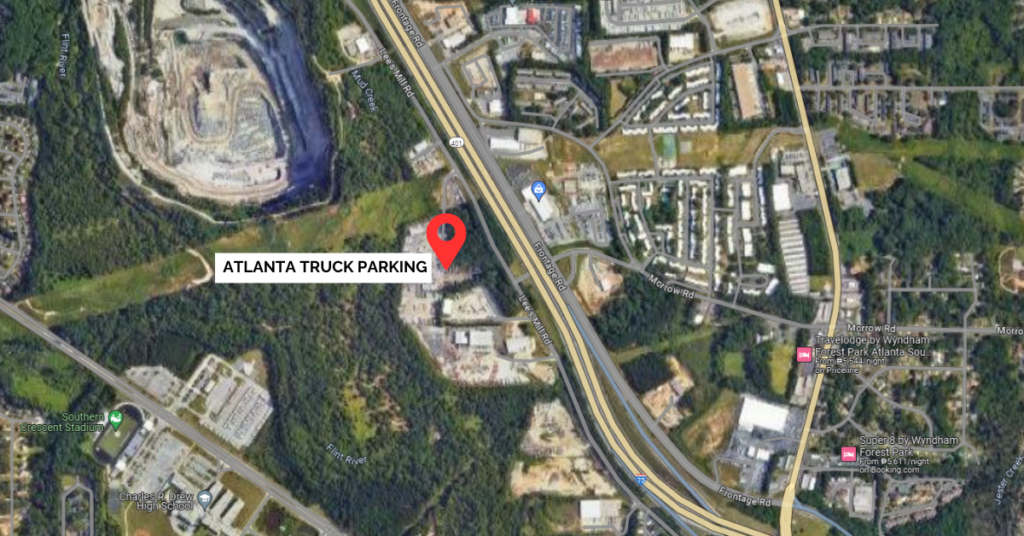
Choosing the right RV storage facility is about more than finding an empty parking space. Proper preparation, strong security measures, weather protection, and regular inspections all work together to keep it safe and ready for your next trip. If you’re looking for more RV ownership tips, explore our additional resources or contact Atlanta Truck Parking LLC to learn about secure storage options that fit your needs.