
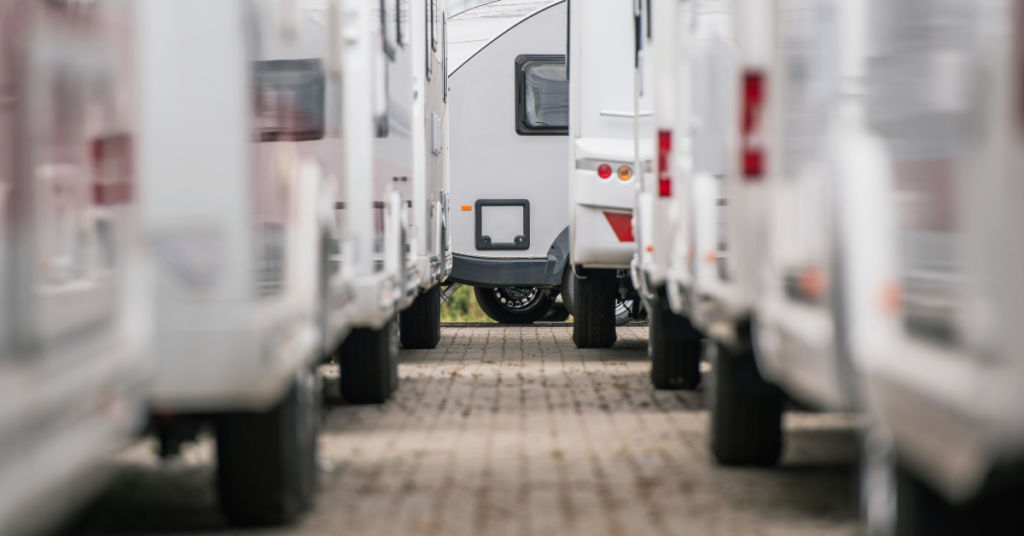
Long-term RV and trailer storage is the practice of parking and protecting recreational vehicles and trailers for weeks or months when they are not in use. It is ideal for RV owners, campers, travelers, and businesses that need a safe place to store their vehicles between trips. Proper storage matters because it helps prevent weather damage, theft, mechanical issues, and costly repairs, ensuring your RV or trailer is ready for your next adventure.
Plan Your RV and Trailer Storage for Long-Term Parking
Long-term RV and trailer storage requires more than simply parking your vehicle. Preparing it correctly before storage helps preserve its condition and reduces maintenance costs when you’re ready to use it again.
Before storing your RV or trailer, inspect it thoroughly and address any existing issues. Small leaks, worn tires, or minor electrical problems can become much larger if left unattended for several months.
A good preparation checklist includes:
- Wash and dry the exterior to remove dirt, bugs, and road salt.
- Clean the interior to prevent mold and unpleasant odors.
- Empty refrigerators and cabinets of perishable food.
- Remove valuables and personal belongings.
- Close vents, windows, and roof openings securely.
- Check seals around doors, windows, and slide-outs for cracks.
Spending a little time on preparation helps extend the life of your RV or trailer and reduces unexpected repair expenses later.
Choose the Right RV and Trailer Storage Facility
Not all storage locations offer the same level of protection. Selecting the right RV and trailer storage facility depends on your vehicle size, budget, climate, and security needs.
When comparing storage options, consider the following:
Outdoor Storage
Outdoor storage is often the most affordable option. It provides easy access and accommodates oversized RVs, fifth wheels, travel trailers, and campers.
Best for:
- Frequent travelers
- Large vehicles
- Budget-conscious owners
Covered Storage
Covered storage offers protection from direct sunlight, rain, hail, and falling debris while remaining more affordable than fully enclosed units.
Best for:
- Long-term seasonal storage
- Protecting paint and roof materials
- Areas with intense summer heat
Indoor Storage
Indoor storage provides the highest level of protection against weather, theft, dust, and environmental damage.
Best for:
- Luxury motorhomes
- Classic trailers
- Extended storage lasting several months
Regardless of the option you choose, look for a facility with:
- Controlled gate access
- Security fencing
- Bright LED lighting
- 24/7 surveillance cameras
- Regular property maintenance
- Wide driving lanes for easier maneuvering
Security and accessibility are often just as important as price when choosing a storage facility.
Protect Your RV During Long-Term Storage
Proper protection goes beyond selecting a parking space. Preventive maintenance helps keep your RV or trailer in excellent condition throughout storage.
Care for Tires
Tires can develop flat spots when sitting in one position for extended periods.
To reduce wear:
- Inflate tires to the recommended pressure.
- Park on a hard surface whenever possible.
- Move the vehicle occasionally if practical.
- Consider tire covers to reduce UV exposure.
Maintain the Battery
Batteries naturally discharge over time.
For extended storage:
- Disconnect the battery.
- Use a battery maintainer if electricity is available.
- Inspect battery terminals for corrosion.
Prevent Moisture Damage
Moisture can lead to mold, mildew, and unpleasant odors.
Reduce moisture by:
- Using moisture absorbers.
- Leaving interior cabinets slightly open.
- Ensuring roof vents are properly sealed or vented according to manufacturer recommendations.
Keep Pests Away
Rodents and insects often seek shelter inside parked RVs.
Simple prevention methods include:
- Sealing small openings.
- Removing all food.
- Using pest deterrents where appropriate.
- Checking the vehicle periodically.
These small maintenance tasks can save hundreds or even thousands of dollars in future repairs.
Inspect Your RV and Trailer Storage Setup Regularly

Even during long-term parking, your vehicle should not be forgotten. Regular inspections allow you to identify small problems before they become major issues.
A monthly inspection should include:
- Check tire pressure.
- Inspect the roof for debris or water pooling.
- Look for signs of pests.
- Verify that locks remain secure.
- Check battery condition.
- Inspect seals around windows and doors.
- Look underneath for fluid leaks.
If your storage facility allows regular access, these inspections take only a few minutes and provide valuable peace of mind.
Keeping a simple maintenance log can also help you track inspections and prepare your RV for future travel.
Returning Your RV to the Road After Long-Term Storage
When storage ends, avoid rushing directly into a trip. A systematic inspection helps ensure your vehicle is road-ready and safe.
Before traveling:
- Inspect all tires for pressure and damage.
- Test lights and electrical systems.
- Check engine fluids if applicable.
- Sanitize the fresh water system.
- Test propane appliances.
- Verify brakes are functioning properly.
- Inspect hitch components and safety chains.
- Confirm registration and insurance remain current.
Taking time for a complete inspection reduces the likelihood of breakdowns during your first trip after storage.
Frequently Asked Questions
An RV can remain in storage for several months or even years if it is properly prepared and maintained. Regular inspections and preventive maintenance are essential for preserving its condition.
Yes. A high-quality, breathable RV cover helps protect against sunlight, rain, dirt, and debris. Avoid non-breathable covers because they can trap moisture and promote mold growth.
The best storage option depends on your budget and protection needs. Indoor storage offers maximum protection, covered storage provides a good balance of cost and weather protection, and outdoor storage is often the most economical choice.
Monthly inspections are generally recommended. Checking tires, batteries, seals, and signs of pests helps prevent minor issues from becoming expensive repairs.
This depends on the storage facility’s rules and available space. Many facilities allow truck-and-trailer parking, while others require them to be stored separately.
Conclusion
Proper RV and trailer storage is essential for protecting your investment during extended periods of inactivity. Taking the time to prepare your vehicle, choose a secure storage facility, perform routine inspections, and complete a thorough pre-trip check can help extend its lifespan while reducing the risk of costly repairs. Whether you’re storing your RV for the off-season or between road trips, these best practices will help keep it safe, well-maintained, and ready for your next adventure.
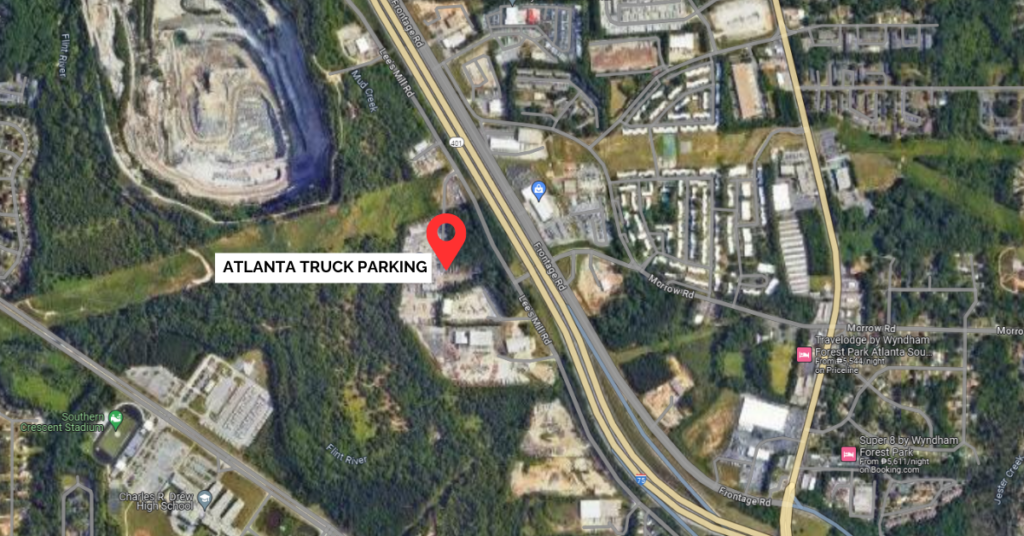
If you’re looking for a secure place to store your RV or trailer, Atlanta Truck Parking offers convenient long-term parking options designed to give owners added peace of mind. Explore our resources or contact our team to learn more about safe and reliable