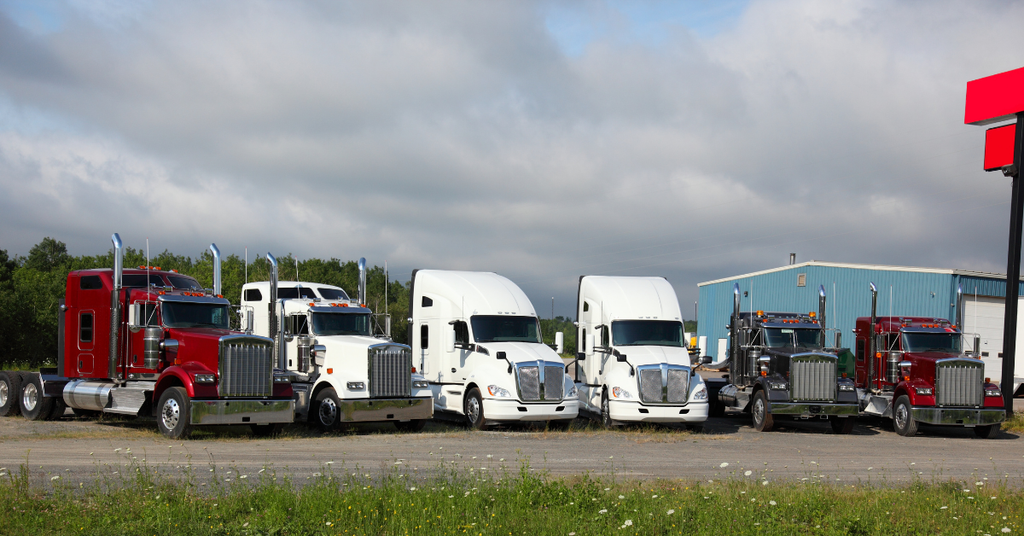
Bad weather can make finding safe parking difficult for truck drivers, especially when heavy rain, strong winds, snow, or extreme heat affect road conditions. Semi truck and trailer parking requires more than finding an open space. Drivers must consider ground stability, drainage, wind exposure, visibility, and safe access before leaving a rig unattended. Knowing what to look for can help protect your equipment, reduce avoidable risks, and make your next stop more predictable.
How to Choose Semi Truck and Trailer Parking During Heavy Rain
The safest semi truck and trailer parking during heavy rain is on stable, well-drained ground away from flood-prone areas. Drivers should avoid low-lying spaces, visibly flooded surfaces, and locations where water could hide potholes or damage beneath the pavement.
Heavy rainfall can weaken unpaved surfaces and create standing water in parking lots. A space that looks suitable in dry weather may become difficult to enter or exit after several hours of rain.
Before parking, check the following:
- Ground conditions: Prefer paved or firm, compacted surfaces that can support the weight of your tractor and loaded trailer.
- Drainage: Look for standing water, blocked drains, and areas where rainwater naturally collects.
- Access roads: Make sure entrance and exit routes are not flooded or obstructed.
- Visibility: Choose a location where you can see nearby vehicles, pedestrians, and potential hazards.
- Flood exposure: Avoid low spots near drainage channels, creeks, and areas with known flooding problems.
If a parking area begins flooding, do not drive into standing water when its depth or the condition of the road underneath is unknown. Water can conceal pavement damage and make it difficult to judge whether the vehicle can pass safely.
What should you do if your parking area starts flooding?
Move to higher, safer ground only if the route is passable and moving does not expose you to greater danger. Never attempt to drive through floodwater simply to reach another parking space. If the area is already unsafe, follow local emergency instructions and contact emergency services when necessary.
When planning a route, check weather forecasts and road closure alerts before departure. Having an alternative parking location can help you avoid being forced into a hazardous area when conditions deteriorate.
How Strong Winds Affect Parked Semi Trucks and Trailers
Strong winds can destabilize trailers, affect vehicle control, and create hazards around exposed parking areas. Semi truck and trailer parking decisions during high-wind conditions should account for official weather warnings, wind exposure, surrounding obstacles, and the manufacturer’s safety guidance.
A trailer presents a large surface area to the wind. Empty or lightly loaded trailers can be particularly vulnerable in certain conditions, although actual risk depends on trailer design, wind direction, vehicle configuration, and wind speed.
Use these precautions when high winds are forecast:
- Check official wind advisories. Review weather alerts along your route and near your intended parking location.
- Evaluate exposure. Avoid unnecessarily exposed locations when safer alternatives are available.
- Watch for overhead hazards. Stay clear of trees with damaged branches, unstable structures, and objects that could fall.
- Follow company procedures. Dispatchers and fleet safety teams may have specific rules for stopping operations during severe weather.
- Avoid unnecessary movement. Do not move a truck or trailer if conditions make driving unsafe.
Parking near a building or windbreak may reduce some exposure, but it does not guarantee safety. Buildings can create turbulent wind patterns, and nearby structures may themselves become hazards during severe storms.
When should truck drivers stop driving because of wind?
There is no single wind-speed threshold that is safe for every truck and trailer combination. Risk varies with gust strength, trailer height, load, road conditions, and the vehicle manufacturer’s recommendations.
Follow applicable regulations, employer policies, official advisories, and vehicle-specific guidance. If the truck becomes difficult to control, or an official warning indicates dangerous conditions, prioritize reaching a safe stopping location over maintaining your delivery schedule.
Finding a Parking During Snow and Ice
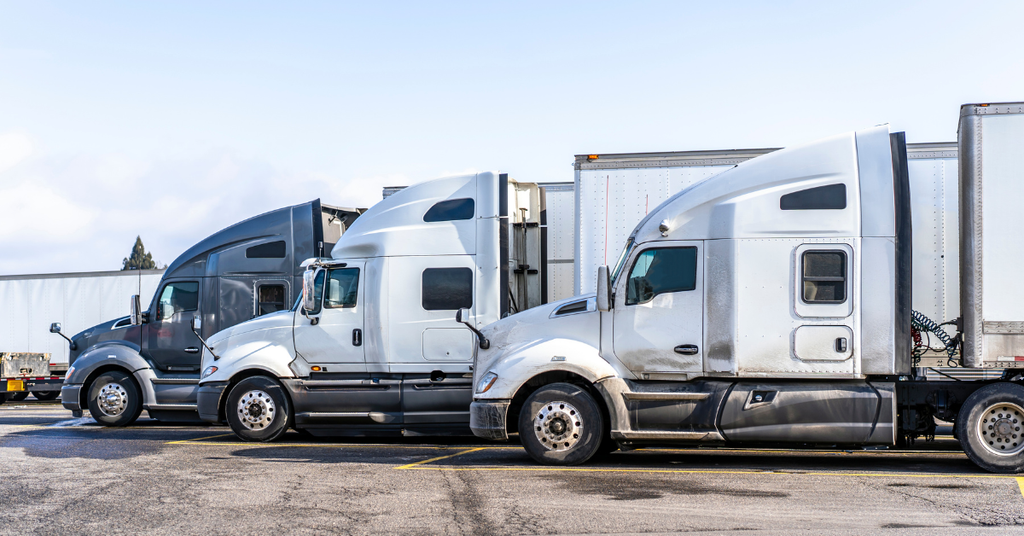
Safe semi truck and trailer parking during winter weather requires attention to traction, snow accumulation, ice, and access conditions. Drivers should look for maintained parking areas with enough room to maneuver without crossing untreated or heavily icy surfaces.
Snow and ice can make routine parking maneuvers more difficult. A truck may slide while turning, struggle to climb a slope, or have difficulty leaving a space after temperatures drop.
Before choosing a winter parking location, evaluate these factors:
- Surface traction: Look for cleared pavement and avoid visibly icy areas.
- Lot maintenance: Check whether snow removal and ice treatment appear adequate.
- Slope and drainage: Be cautious around steep entrances, ramps, and sloping spaces that could become slippery.
- Maneuvering room: Allow enough clearance to turn without sliding toward other vehicles.
- Exit conditions: Consider whether your truck can leave safely if snow continues accumulating overnight.
Do not assume that a parking space is safe simply because other trucks are using it. Conditions can change quickly, and the entrance may become more hazardous than the parking area itself.
How to prepare your truck before parking in winter
Follow your company’s cold-weather procedures and the vehicle manufacturer’s instructions. Depending on conditions, your routine may include checking tires, inspecting air-system components, securing equipment, and confirming that required safety systems are functioning properly.
Also consider how the truck will be restarted and moved after an extended stop. Cold weather can affect batteries, air systems, and other components. Keep appropriate winter equipment accessible, and avoid using open flames or unapproved heating devices around the vehicle.
If conditions become too dangerous for travel, find an appropriate safe stopping location as early as possible. Do not continue driving merely to reach a preferred destination when doing so creates an unreasonable safety risk.
How to Plan Semi Truck and Trailer Parking for Extreme Heat
Extreme heat can affect tires, batteries, cooling systems, and driver comfort. When choosing semi truck and trailer parking during hot weather, consider shade availability, ventilation, pavement conditions, and access to facilities where you can rest safely.
Dark pavement can become extremely hot in direct sunlight. Prolonged heat exposure may also increase stress on tires and other vehicle components, particularly when equipment is already under strain.
Use these practical precautions:
- Inspect tires regularly. Check tire condition and inflation according to manufacturer guidance and your company’s inspection procedures.
- Monitor vehicle systems. Watch for cooling-system warnings and other signs of overheating.
- Choose parking thoughtfully. Shade can improve comfort, but avoid parking beneath unstable trees or near other overhead hazards.
- Protect cargo and equipment. Follow any temperature-control requirements that apply to your load.
- Stay hydrated. Keep drinking water available and recognize signs of heat-related illness.
Never rely on shade alone to make a parking location safe. The condition of the surface, security of the area, and ability to enter or exit safely remain important.
How to create a weather-based parking plan
A reliable parking plan starts before severe weather reaches your route. Rather than waiting until conditions become dangerous, identify suitable stopping points and backup locations in advance.
Use this four-step process:
- Check the forecast. Review expected rainfall, wind gusts, snow, ice, and extreme temperatures before departure.
- Identify suitable stops. Look for locations with appropriate vehicle capacity, safe access, and conditions suited to the forecast.
- Prepare alternatives. Identify at least one backup location in case your first choice is full, closed, or affected by weather.
- Reassess conditions. Update your plan when forecasts change, road closures appear, or parking availability becomes uncertain.
For long-haul drivers, this approach can reduce last-minute decisions and unnecessary detours. It also helps dispatchers coordinate routes around weather-related delays.
FAQs
Choose a stable, well-drained parking area away from flood-prone ground and standing water. Check entrance and exit conditions before committing to the location, and avoid driving through floodwater of unknown depth.
It depends on wind speed, gusts, trailer configuration, load, and the surrounding environment. Follow official weather advisories and applicable safety procedures, and avoid exposed or hazardous locations when safer alternatives are available.
Yes, when the location permits overnight parking and its conditions are suitable for the vehicle. Drivers should check traction, snow removal, access routes, and the ability to maneuver safely when leaving.
Inspect tires and relevant vehicle systems, consider cargo temperature requirements, and choose a location that supports driver comfort without creating additional hazards. Follow manufacturer recommendations and established vehicle inspection procedures.
Check forecasts before departure and reassess conditions throughout the trip. During significant weather events, identify backup locations early because available spaces and safe routes may become limited quickly.
Conclusion
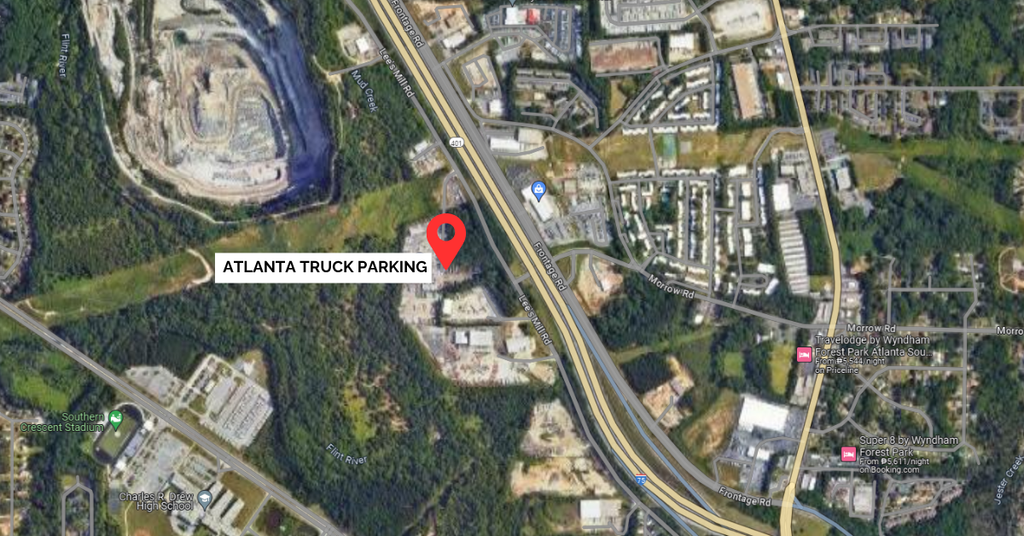
Safe semi truck and trailer parking during bad weather starts with planning, careful site selection, and awareness of changing conditions. Whether you face heavy rain, high winds, snow, or extreme heat, prioritize stable surfaces, safe access, vehicle protection, and your personal safety over convenience.
For reliable and secure truck parking in Atlanta, Atlanta Truck Parking offers a spacious, fenced, and gated parking facility with 24/7 security guards and HD cameras. Whether you need a safe place to park your semi truck and trailer or long-term parking for your rig, we’re here to help. Contact Atlanta Truck Parking today to learn more about our monthly parking options and secure your spot.