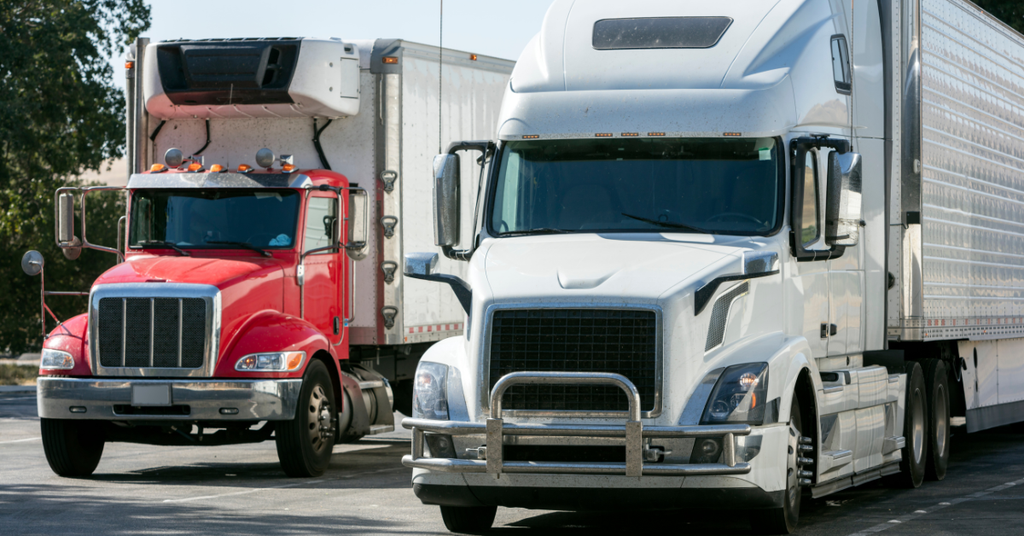
Finding a reliable parking space for trucks is essential for truck drivers who need a safe, accessible place to park between deliveries, during overnight breaks, or while waiting for their next load. In Atlanta, Georgia, choosing the right parking location requires more than finding an empty spot. Drivers must consider security, vehicle dimensions, highway access, parking rates, and any restrictions that could affect their trip. Understanding what to look for can help owner-operators and commercial drivers avoid unnecessary delays, protect their equipment, and plan their routes more efficiently.
What Makes a Good Parking Space for Trucks?
A good parking space for trucks provides enough room for the vehicle, convenient access, appropriate security measures, and clear parking terms. The right location depends on whether you operate a semi-truck, tractor-trailer, box truck, or another commercial vehicle.
Before choosing a parking facility, evaluate these five factors:
- Space and maneuverability: The parking area should accommodate your vehicle’s length and width, with sufficient room to turn and exit safely.
- Security: Look for features such as perimeter fencing, controlled gate access, security cameras, and on-site personnel.
- Location: A facility near your delivery route or major highways can reduce unnecessary driving.
- Pricing: Confirm the daily or monthly rate, payment terms, and any additional fees before committing.
- Access and availability: Check operating hours, entry procedures, and whether a suitable space is available when you arrive.
For example, a driver who regularly travels through Atlanta may benefit from a parking facility near the interstate network rather than a location that requires a lengthy detour through congested streets.
However, proximity alone should not determine your choice. A slightly longer drive to a suitable parking facility may be worthwhile if it offers better access, adequate space, and security features that meet your needs.
Choose a Parking Space for Trucks With Safety in Mind
Safety should be a priority when selecting a parking space for trucks, particularly when leaving a vehicle unattended overnight or for an extended period. A well-maintained parking facility with visible security measures can help reduce certain risks associated with unauthorized access and vehicle theft.
When evaluating a truck parking lot, look for the following features:
- Perimeter fencing: A fence helps establish the property’s boundaries and can discourage unauthorized entry.
- Controlled gate access: A gate with an established entry procedure helps manage who enters and exits the property.
- Security cameras: High-definition cameras can support monitoring and incident investigations.
- Adequate lighting: Well-lit parking areas improve visibility for drivers and security personnel.
- On-site security: Security guards may provide additional monitoring and help respond to incidents.
Atlanta Truck Parking offers features such as 24/7 security guards, HD cameras, fencing, gated access, and LED lighting. Drivers evaluating the facility should still confirm current access procedures, availability, and parking arrangements before arriving.
It is also important to remember that security features do not eliminate every risk. Drivers should lock their vehicles, secure trailers and cargo where appropriate, avoid leaving valuables in plain sight, and follow their company’s cargo security procedures.
Find Truck Parking Near Atlanta’s Major Highways
The location of a parking facility can affect fuel consumption, travel time, and the convenience of reaching your next destination. For truck drivers operating in and around Atlanta, access to major highways is an important consideration when comparing parking options.
Atlanta’s interstate network includes several major routes:
- I-75: Connects Atlanta with destinations to the north and south, including Chattanooga and Macon.
- I-285: The Atlanta perimeter interstate provides access around much of the metropolitan area.
- I-20: Connects the region with destinations east and west, including Birmingham and Augusta.
- I-675: Provides an additional connection through parts of the southeastern Atlanta metropolitan area.
A parking location near these routes may be useful for drivers traveling through the region, depending on their destination and route restrictions.
When comparing a parking space for trucks, consider more than the distance shown on a map. Check the actual truck-accessible route, entrance clearance, turning requirements, traffic conditions, and any restrictions affecting commercial vehicles.
Practical tip: Before leaving your current location, enter the parking facility’s address into a truck-appropriate navigation system. Review the final approach and confirm that the route is suitable for your vehicle’s height, length, and weight.
Planning ahead is particularly helpful during busy delivery periods, when congestion or limited parking availability can make last-minute decisions more difficult.
Compare Truck Parking Rates, Space Sizes, and Terms
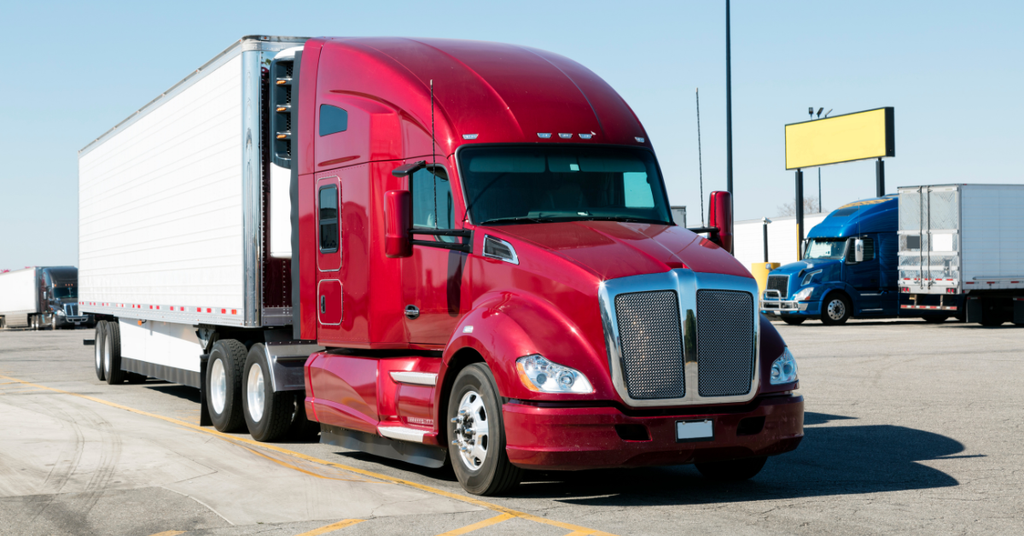
Truck parking rates vary according to location, vehicle type, parking duration, security features, and available amenities. Comparing the total cost and the conditions attached to each option helps drivers make informed decisions.
Common truck parking arrangements include:
| Parking type | Best suited for | What to consider |
| Daily parking | Short stops or temporary parking needs | Daily rates, arrival times, and availability |
| Monthly parking | Drivers who need a consistent parking location | Monthly cost, contract length, and renewal terms |
| Truck and trailer parking | Tractor-trailers parked together | Combined vehicle length and maneuvering room |
| Trailer-only parking | Drivers storing a trailer separately | Trailer dimensions, access, and security |
| Box truck parking | Operators using smaller commercial trucks | Vehicle clearance and designated space size |
A lower advertised rate does not always mean a better overall value. Consider how far the facility is from your route, whether you can access it when needed, and whether the parking arrangement suits your operating schedule.
For example, a driver who needs parking for several weeks may find a monthly arrangement more practical than paying a daily rate repeatedly. Someone who only needs a temporary space may prefer a daily option, if available.
Before booking, ask the facility to clarify:
- The total parking cost and accepted payment methods.
- Whether the rate applies to your specific vehicle configuration.
- The minimum parking period and any contract requirements.
- The entry and exit procedures.
- Cancellation, refund, and renewal policies.
Atlanta Truck Parking provides monthly parking options for different vehicle types. Drivers should confirm current rates, contract terms, and space availability directly with the facility before making arrangements.
How to Choose the Right Parking Space for Trucks in Atlanta
Choosing the right parking space for trucks becomes easier when you follow a consistent evaluation process. Instead of selecting the first available location, compare your vehicle requirements, route, parking duration, and security needs.
Use these steps before committing to a parking facility:
Step 1: Identify your vehicle type.
Determine whether you need space for a tractor-trailer, truck only, trailer only, box truck, RV, or another vehicle. Record the vehicle’s dimensions, including the combined length of the tractor and trailer when applicable.
Step 2: Decide how long you need to park.
Determine whether your requirement is temporary or ongoing. This helps narrow your options to daily or monthly parking arrangements.
Step 3: Shortlist convenient locations.
Look for facilities near your regular routes, distribution centers, delivery destinations, or other relevant stops. Consider truck-accessible roads rather than relying exclusively on straight-line distance.
Step 4: Verify the facility’s conditions.
Ask about security features, operating hours, gate access, space dimensions, parking restrictions, and current availability. Confirm whether the lot can accommodate your vehicle without obstructing other parked trucks.
Step 5: Compare the total cost and commitment.
Review the price alongside contract duration, payment terms, and cancellation policies. Make sure the arrangement fits your expected parking needs.
Step 6: Keep a backup option.
Parking availability can change with demand, delivery schedules, and local restrictions. Identifying an alternative facility can help you respond when your preferred location is full.
This process can help drivers reduce uncertainty and choose a parking arrangement that supports their daily operations.
FAQs
Truck drivers can search for dedicated truck parking facilities near major highways, freight corridors, and delivery destinations. Compare location, security, vehicle capacity, rates, and access procedures before choosing a facility. Atlanta Truck Parking is one option for drivers looking for truck and trailer parking in the Atlanta area.
Look for practical security measures such as fencing, controlled gate access, adequate lighting, surveillance cameras, and on-site security personnel. Also check the facility’s access procedures and policies for unattended vehicles. No security arrangement guarantees complete protection, so drivers should continue following their own vehicle and cargo security practices.
Daily parking is generally suitable for short-term needs, while monthly parking may be more practical for drivers who regularly use the same location. The better choice depends on how frequently you park, the total cost, and the contract terms. Compare the full expense rather than looking at the advertised rate alone.
The space required depends on the tractor, trailer, combined vehicle length, turning radius, and layout of the parking facility. A standard parking stall may not provide enough room for every truck configuration. Confirm the facility’s dimensions and maneuvering space before arriving.
Convenient highway access can reduce unnecessary mileage and make it easier to reach delivery locations or continue a planned route. However, drivers should also consider traffic, commercial vehicle restrictions, entrance clearance, and the suitability of the final approach. A nearby facility is only useful if your truck can safely and legally reach it.
Conclusion
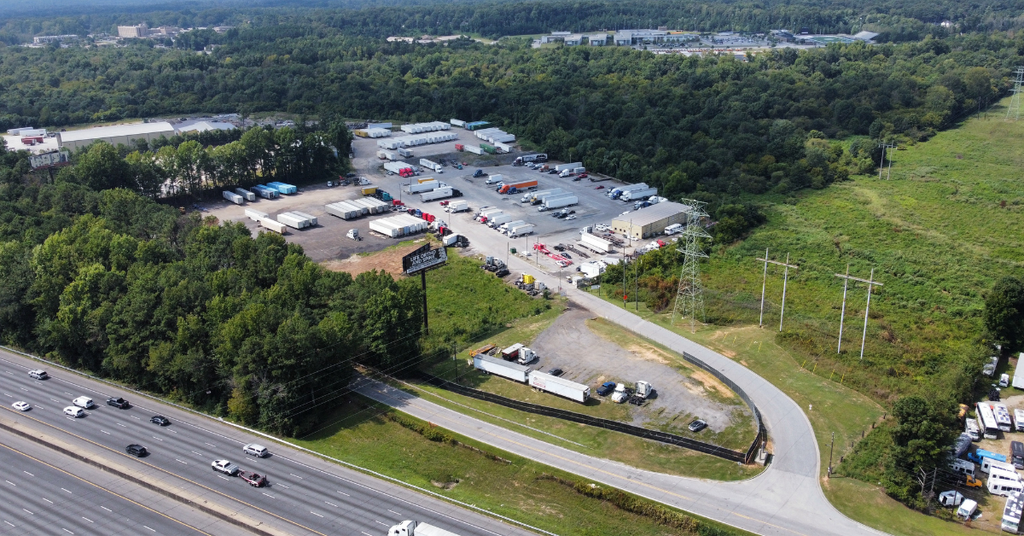
Finding the right parking space for trucks requires careful consideration of security, vehicle dimensions, highway access, pricing, and parking terms. For drivers traveling through Atlanta, comparing these factors before arrival can help reduce delays and make parking decisions more predictable.
Looking for a reliable truck parking space in Atlanta? Atlanta Truck Parking offers monthly parking for trucks and trailers in a fenced and gated facility with 24/7 security guards and HD cameras, conveniently located near major highways. Contact Atlanta Truck Parking today to check current rates, availability, and parking requirements for your vehicle.