
Affordable semi truck parking helps small fleet operators control operating expenses, protect their vehicles, and keep drivers on schedule. Finding the right parking arrangement involves more than comparing prices. Fleet owners must also consider location, security, space availability, and how frequently each truck returns to the yard. By understanding these factors, small fleets can make informed parking decisions without sacrificing safety or operational efficiency.
Why Affordable Semi Truck Parking Matters for Small Fleets
Affordable semi truck parking allows small fleet operators to manage recurring expenses while maintaining reliable places to park their trucks and trailers. For businesses operating several commercial vehicles, even a modest difference in monthly parking costs can affect overall profitability.
Parking expenses are easy to overlook when budgeting for fuel, insurance, maintenance, driver wages, and permits. However, these costs accumulate throughout the year, making parking an important part of fleet expense management.
For example, consider a fleet with five trucks that each require a dedicated parking space. If one parking option costs $300 per month per truck and another costs $250, the lower-priced option saves $250 monthly across the fleet.
That difference equals $3,000 annually, assuming the rates remain unchanged and both options meet the fleet’s operational requirements.
Affordable parking can also help small fleets avoid unnecessary expenses associated with unsuitable locations, restricted access, or unreliable arrangements.
Before selecting a parking facility, fleet operators should evaluate how parking affects three areas:
- Operating costs: Monthly rates, additional fees, and transportation costs to and from the lot.
- Fleet reliability: Convenient access when drivers need to collect or return vehicles.
- Asset protection: Appropriate security measures for trucks, trailers, and equipment.
The goal is not simply to find the lowest advertised price. It is to identify a parking arrangement that supports the fleet’s budget, schedule, and security requirements.
How to Estimate Monthly Parking Costs for Multiple Trucks
The most practical way to compare affordable semi truck parking options is to calculate the total monthly cost per vehicle and across the entire fleet. This approach helps fleet operators evaluate different facilities using consistent figures.
Start by identifying the number of spaces needed and the type of vehicles requiring parking. A tractor-trailer combination may require a different arrangement from a straight truck or a tractor parked without its trailer.
Next, compare the available pricing structures. Some facilities charge daily rates, while others offer monthly agreements for trucks, trailers, or combined units. Additional charges may apply for oversized vehicles, reserved spaces, or specific services.
Consider this example for a small fleet of five trucks.
| Monthly parking rate per truck | Fleet cost per month | Fleet cost per year |
| $350 | $1,750 | $21,000 |
| $300 | $1,500 | $18,000 |
| $250 | $1,250 | $15,000 |
These figures are illustrative and exclude taxes, additional fees, and other operating expenses.
At $250 per truck each month, the fleet spends $6,000 less annually than it would at $350 per truck. However, the lower rate is beneficial only if the facility provides suitable access, capacity, and security.
Use this simple process when evaluating parking expenses:
- Count the required spaces. Include tractors, trailers, and any vehicles that need separate parking.
- Calculate the base cost. Multiply the rate per space by the number of spaces required.
- Add additional expenses. Include setup fees, deposits where applicable, taxes, and other recurring charges.
- Account for location. Estimate any extra fuel, mileage, or driver time required to reach the facility.
- Compare annual totals. Review the projected cost over 12 months rather than focusing exclusively on the monthly rate.
This calculation gives fleet operators a more realistic picture of parking affordability and makes it easier to compare competing options.
Choosing Between Shared Parking and Dedicated Fleet Spaces

Small fleets can choose between shared commercial truck parking and dedicated parking spaces, depending on vehicle usage, availability, and budget. The right arrangement depends on whether trucks need guaranteed spaces or can use available spaces as schedules change.
Shared parking allows multiple trucking businesses to use the same parking facility. It can be practical for smaller operators that do not need a private yard, provided the facility has enough capacity and clear parking rules.
Dedicated parking means specific spaces are reserved for a particular truck, trailer, or fleet. This arrangement can provide greater predictability, especially when drivers return to the same location regularly.
| Consideration | Shared parking | Dedicated spaces |
| Cost | May offer flexible pricing | May require a recurring commitment |
| Availability | Depends on remaining capacity | Usually more predictable under the agreement |
| Flexibility | Useful for changing schedules | Better for consistent parking needs |
| Fleet coordination | Requires clear arrival procedures | Can simplify assigned-space management |
| Best suited for | Fleets with variable parking needs | Fleets needing dependable space allocation |
Actual pricing and availability depend on the parking provider and agreement.
When evaluating affordable semi truck parking, fleet operators should ask whether spaces can be guaranteed during busy periods. They should also confirm whether tractors and trailers can be parked separately, if needed, and whether additional vehicles can be accommodated.
For fleets with changing schedules, flexibility may be more valuable than a slightly lower fixed rate. For fleets returning to the same location every night, predictable space availability may justify a longer-term agreement.
Coordinating Driver Schedules to Reduce Unused Parking
Effective driver scheduling helps small fleets make better use of their parking spaces. When parking needs are predictable, operators can estimate capacity requirements more accurately and avoid paying for spaces that rarely get used.
Start by reviewing when each truck typically returns to the yard. Some fleets have vehicles returning every evening, while others operate routes that keep trucks away for several days.
A simple parking schedule can identify overlapping requirements and highlight periods when spaces remain unused.
Fleet managers can improve parking coordination through several practical steps:
- Track arrival and departure times. Record when trucks enter and leave the parking facility.
- Identify recurring patterns. Determine which vehicles return daily, weekly, or irregularly.
- Estimate peak demand. Calculate how many spaces are needed when the most trucks return simultaneously.
- Coordinate dispatch schedules. Where operationally practical, align departures and returns with available parking capacity.
- Review utilization regularly. Compare the number of spaces paid for with the number actually required.
For example, a fleet paying for ten spaces might discover that only seven trucks typically return to the yard on most nights. Before reducing its allocation, the operator should examine the busiest days and account for spare vehicles, maintenance movements, and unexpected returns.
A lower average parking requirement does not necessarily mean fewer spaces will be sufficient. Planning around peak demand helps prevent drivers from arriving without an available space.
Affordable semi truck parking works best when the number of spaces matches actual operating needs without leaving the fleet unprepared for normal schedule changes.
Creating a Consistent Parking Policy for Your Fleet
A written parking policy helps drivers understand where to park, how to access the facility, and what responsibilities they have when leaving vehicles unattended. Consistent procedures also make parking easier to manage as a fleet grows.
The policy should cover the following areas:
- Authorized locations: List approved parking facilities and specify which vehicles may use each location.
- Parking assignments: Explain how spaces are allocated and what drivers should do if their assigned space is unavailable.
- Access procedures: Document gate codes, access cards, operating hours, and check-in requirements.
- Vehicle security: Explain procedures for locking vehicles, securing trailers, and reporting suspicious activity.
- Incident reporting: Provide instructions for reporting damage, theft, unauthorized access, or parking disputes.
- Expense documentation: Specify how parking receipts, invoices, and additional charges should be submitted.
Fleet operators should also verify the terms of their parking agreements. Important details include permitted vehicle types, trailer storage rules, payment deadlines, cancellation conditions, and responsibility for damage.
Security deserves particular attention. A fenced lot, controlled gate, adequate lighting, and surveillance cameras can help reduce certain risks, although no security measure guarantees that theft or damage will never occur.
Drivers should follow applicable parking restrictions and avoid leaving vehicles in unauthorized locations simply to save money. Roadside parking may create safety risks, interfere with traffic, or violate local regulations.
A consistent policy helps small fleets manage affordable semi truck parking as a repeatable business process rather than an occasional logistical problem.
FAQs
Monthly semi truck parking prices vary by location, facility, vehicle type, and available services. Rates may differ considerably between metropolitan areas, industrial districts, and locations farther from major freight corridors. Request a complete quote and compare the total cost rather than relying only on the advertised monthly rate.
Monthly parking can be more economical for trucks that return to the same location frequently. To compare options, multiply the daily rate by the expected number of parking days and compare that total with the monthly rate. Consider access requirements, minimum commitments, and additional fees before deciding.
Small fleets should evaluate pricing, location, space availability, security, vehicle access, and contract terms. They should also confirm that the facility accommodates their specific truck and trailer configurations. A low price is less useful if the lot cannot support the fleet’s operating schedule.
Shared parking can be suitable when a fleet needs access to commercial parking without maintaining its own yard. Before committing, confirm that enough spaces are available during peak periods and that the facility’s rules accommodate the fleet’s vehicles. Operators should also understand how access, billing, and space assignments work.
Fleet operators can compare daily and monthly rates, track space utilization, coordinate driver schedules, and review recurring charges. They can also evaluate whether the parking location adds unnecessary fuel costs or driver travel time. Reviewing these factors regularly helps identify savings without compromising operational requirements.
Conclusion:
Affordable semi truck parking helps small fleets manage operating expenses while maintaining dependable parking arrangements for their trucks and trailers. By comparing total costs, choosing suitable parking agreements, coordinating driver schedules, and establishing clear policies, fleet operators can make more informed decisions.
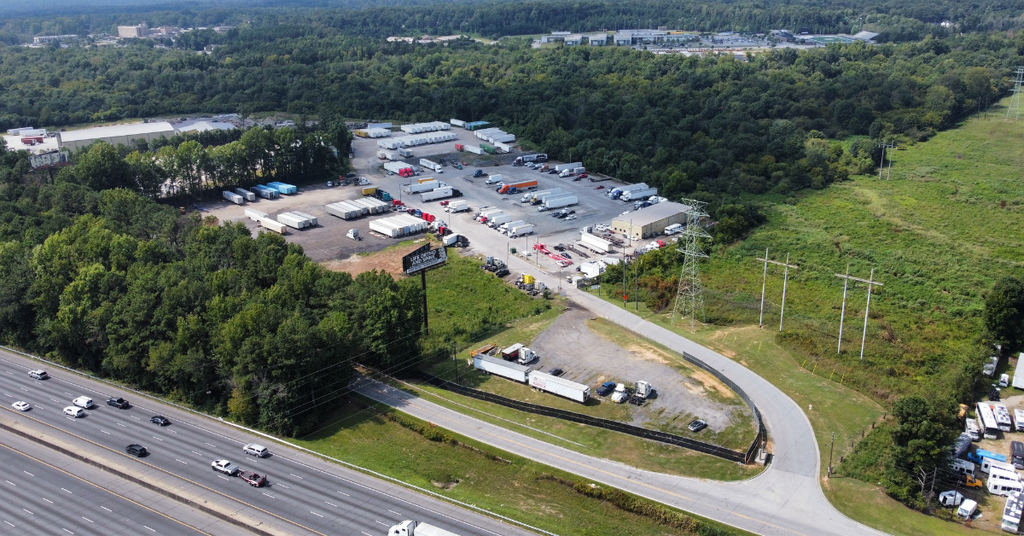
Looking for affordable semi truck parking in Atlanta? Atlanta Truck Parking offers monthly parking options for semi trucks, trailers, and other commercial vehicles in a fenced and gated facility with 24/7 security guards and HD cameras. Contact us today to learn more about our monthly rates and find a reliable parking solution that fits your fleet’s needs.