
Managing a fleet requires more than keeping trucks on the road. It also means ensuring drivers have access to safe, legal, and efficient places to park when their routes end or Hours of Service require a break. Commercial truck parking in Atlanta provides dedicated parking solutions for fleet operators, owner-operators, and logistics companies that want to reduce downtime, improve security, and keep operations running smoothly.
Why Commercial Truck Parking in Matters for Fleets
Commercial truck parking in Atlanta refers to designated facilities where semi-trucks, trailers, box trucks, and commercial vehicles can park safely for short-term or long-term periods. These facilities offer an alternative to crowded truck stops, roadside parking, or unsecured lots.
For fleet operators, reliable parking is essential because it directly affects operations, compliance, and driver satisfaction.
Key benefits include:
- Secure parking for trucks and trailers
- Reduced risk of cargo theft and vandalism
- Compliance with Hours of Service regulations
- Convenient access to major highways and distribution centers
- Predictable parking availability for drivers
Atlanta serves as one of the Southeast’s busiest freight hubs. With major interstates such as I-75, I-20, I-285, and I-675 connecting regional and national routes, parking demand remains consistently high. Planning ahead helps fleets avoid unnecessary delays and last-minute parking challenges.
Choosing the Right Commercial Truck Parking Facility
Not every parking lot offers the same level of security or convenience. Selecting the right commercial truck parking location starts with understanding your operational needs.
Consider the following factors before choosing a facility:
Security Features
A quality parking facility should prioritize vehicle and cargo protection. Look for:
- Fully fenced property
- Controlled gate access
- 24/7 surveillance cameras
- Bright LED lighting
- On-site security personnel
Multiple security layers significantly reduce opportunities for theft and unauthorized access.
Accessibility
Easy access improves efficiency. A good location should offer:
- Quick access to interstate highways
- Wide entrances for large trucks
- Easy trailer maneuvering
- Plenty of turning space
- Clearly marked parking areas
Drivers spend less time navigating difficult lots and more time staying on schedule.
Parking Options
Different fleets require different parking arrangements.
Common options include:
- Truck only parking
- Truck and trailer parking
- Trailer storage
- Box truck parking
- RV or commercial vehicle parking
Selecting a facility that accommodates your equipment allows future flexibility as your fleet grows.
Availability
Consistent parking availability helps eliminate uncertainty. Facilities that offer reservations or monthly parking plans can reduce scheduling conflicts during busy periods.
Best Practices for Managing Fleet Parking Efficiently

Efficient parking management begins long before drivers reach their destination. Building parking into your logistics planning reduces delays and improves driver productivity.
Here are several best practices:
1. Plan Parking Before Dispatch
Assign parking locations when creating delivery schedules rather than waiting until drivers reach the end of their shift.
2. Match Parking to Driver Routes
Choose parking facilities near delivery zones or major highways to minimize unnecessary driving.
3. Consider Monthly Parking
If trucks regularly operate within Atlanta, monthly commercial truck parking often provides greater convenience and cost predictability than paying daily rates.
4. Maintain Communication
Drivers should know:
- Facility address
- Entry instructions
- Gate access procedures
- Contact information
- Parking space assignments
Clear communication prevents confusion during arrival.
5. Monitor Parking Utilization
Tracking how frequently parking spaces are used helps fleet managers optimize costs and adjust parking strategies over time.
Fleet Security Best Practices Beyond Parking
Commercial truck parking facilities provide an important layer of protection, but fleet security should also include company procedures.
Drivers and fleet managers can reduce risks by following these practices:
- Lock truck doors whenever unattended.
- Secure trailers with high-quality locks.
- Remove valuable items from visible areas.
- Inspect equipment before leaving the facility.
- Report suspicious activity immediately.
- Keep maintenance records updated.
- Verify parking locations before arrival.
Fleet security works best when physical security and operational procedures complement one another.
How Commercial Truck Parking Helps Reduce Operational Delays
Parking shortages often create hidden operational costs. Drivers may spend valuable time searching for available parking, increasing fuel consumption and reducing productive driving hours.
Reliable commercial truck parking helps reduce delays by:
- Eliminating last-minute parking searches
- Supporting compliance with Hours of Service rules
- Reducing unauthorized roadside parking
- Improving dispatch planning
- Minimizing driver stress
- Protecting equipment from avoidable incidents
When parking becomes part of the logistics strategy rather than an afterthought, fleet operations become more predictable and efficient.
Frequently Asked Questions
Dedicated truck parking helps fleets improve security, reduce delays, support regulatory compliance, and provide drivers with reliable parking near major transportation routes.
For fleets operating regularly in Atlanta, monthly parking is often more cost-effective and provides guaranteed parking availability. Daily parking may be a better choice for occasional visits or temporary operations.
Look for facilities with fencing, controlled gate access, surveillance cameras, LED lighting, and on-site security personnel. Multiple security measures help protect trucks, trailers, and cargo.
Planning parking during dispatch, choosing locations near major highways, communicating arrival procedures, and monitoring parking usage all help improve fleet efficiency and reduce unnecessary downtime.
Conclusion
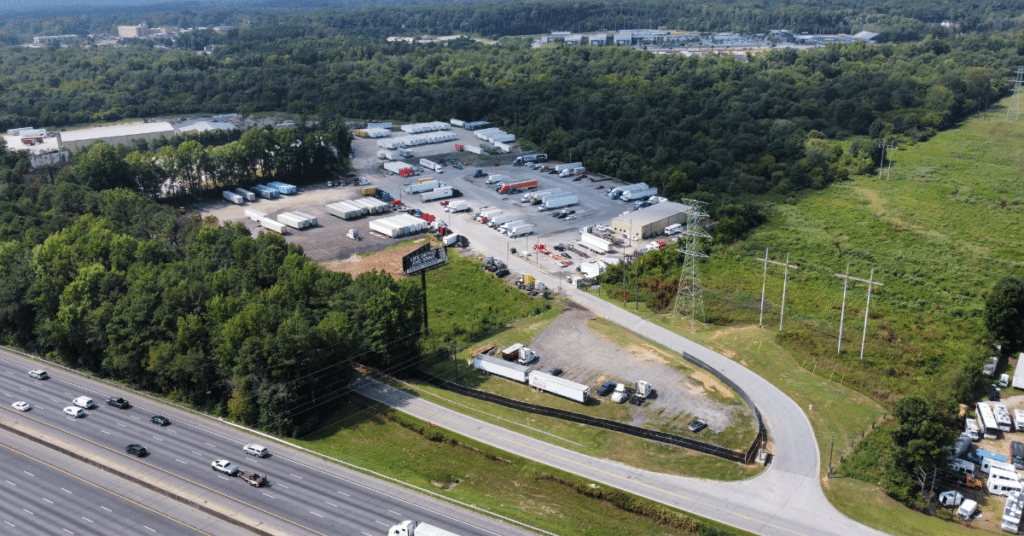
Commercial truck parking Atlanta plays an essential role in keeping fleet operations efficient, secure, and compliant. Choosing the right facility helps reduce operational delays, improve driver satisfaction, and protect valuable assets. Whether you manage a small fleet or hundreds of vehicles, making parking part of your logistics strategy is a smart operational decision. If you’re evaluating parking options in the Atlanta area, Atlanta Truck Parking offers secure parking solutions designed for commercial trucks, trailers, and fleet vehicles. You can also explore our additional resources for more tips on fleet management, parking best practices, and driver safety.