
Finding dependable parking for tractor trailer vehicles can be one of the biggest challenges for long-haul truck drivers. Commercial trucks need substantially more space than passenger vehicles, and overnight parking must provide enough room, safety, and accessibility for both the tractor and trailer. Knowing how to choose a suitable parking location can help drivers protect their equipment, manage rest periods, and start the next trip safely.
Choosing Safe Parking for Tractor Trailer After Dark
The safest parking for tractor trailer overnight is a location that provides adequate space, lighting, security, and legal permission for commercial vehicles to remain there. Drivers should evaluate more than simply whether an empty space is available.
Overnight stops can create additional safety concerns because visibility is lower and drivers may be tired after many hours on the road. A well-maintained parking area with clear markings and sufficient lighting makes it easier to maneuver a large vehicle and identify potential hazards.
Before committing to a parking location, consider:
- Space: Make sure the parking area can accommodate the full tractor-trailer combination.
- Lighting: Well-lit areas improve visibility and can discourage unwanted activity.
- Security: Cameras, controlled entrances, attendants, or other security measures can provide additional protection.
- Surface condition: Look for stable pavement without major potholes, loose surfaces, or drainage problems.
- Access: Confirm that the entrance and exit can accommodate the vehicle’s length and turning radius.
- Rules: Check whether overnight commercial truck parking is permitted.
Drivers should also avoid parking in locations that obstruct traffic, emergency access, loading zones, or restricted areas. A convenient location is not necessarily an appropriate overnight truck parking location.
What Makes an Overnight Truck Stop Safer?
A safer overnight truck stop combines suitable infrastructure with a layout designed to handle large commercial vehicles. Drivers should look for locations where tractor-trailers can park without creating conflicts with passenger vehicles or moving traffic.
Parking spaces should ideally have enough width and length to allow drivers to position their vehicles without blocking neighboring spaces. Adequate clearance is particularly important when backing into a space because trailers can swing into adjacent areas.
Useful features include:
- Dedicated truck parking spaces that accommodate commercial vehicles.
- Good lighting throughout parking and pedestrian areas.
- Visible security measures, such as cameras or on-site personnel.
- Clearly marked entrances and exits for easier navigation.
- Restroom and rest facilities for drivers taking required breaks.
- Fuel and food access when available.
- Well-maintained pavement suitable for heavy vehicles.
Drivers should also pay attention to the surrounding environment. A parking area located near busy roads, industrial activity, or high pedestrian traffic may require additional caution during nighttime maneuvering.
The best parking for tractor trailer is not necessarily the closest available space. A slightly less convenient location may provide substantially better room, visibility, and security.
Lighting, Security, and Surveillance Considerations
Lighting is particularly important when selecting parking for tractor trailer overnight. Drivers need sufficient visibility to inspect their vehicle, walk safely around the truck, and maneuver the tractor and trailer.
Look for lighting that covers both parking spaces and the areas surrounding them. Dark corners, poorly illuminated trailer rows, and obstructed sightlines can make it harder to identify hazards.
Security can vary considerably between parking locations. Some facilities may have security personnel, while others rely primarily on cameras, lighting, access controls, or regular patrols.
Drivers should consider:
- Whether security cameras are visible throughout the lot
- Whether entrances and exits are controlled
- Whether the parking area has regular personnel or patrols
- Whether other commercial vehicles are using the location
- Whether the surrounding area appears well maintained
- Whether suspicious activity or unattended vehicles are common
Security features do not guarantee that theft or other incidents will not occur. Drivers should still take reasonable precautions, including locking the tractor, securing cargo when appropriate, and keeping important belongings out of sight.
It is also useful to perform a quick walk-around inspection before settling in for the night. Check tires, trailer doors, lights, connections, and visible equipment for anything unusual.
Securing Your Trailer Before Going to Sleep
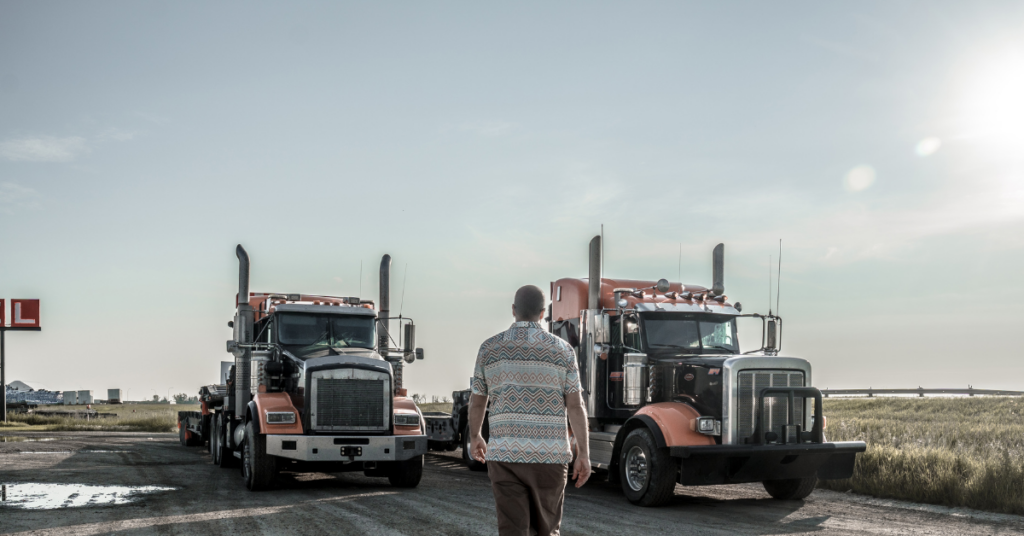
Properly securing the vehicle is an essential part of an overnight stop. Even when a parking location appears secure, drivers should not assume that the tractor and trailer require no additional precautions.
Before leaving the vehicle unattended, complete a basic inspection and security check. Confirm that doors and access points are secured and that nothing appears damaged or out of place.
A practical overnight checklist includes:
- Lock the tractor and trailer as appropriate.
- Confirm that trailer doors are properly secured.
- Check for visible damage or tampering.
- Inspect tires and look for obvious problems.
- Verify that important personal items are secured.
- Keep documentation and valuables in a safe location.
- Note the location of the vehicle for an easy departure.
- Be aware of nearby trucks and potential obstacles.
Drivers carrying valuable or sensitive cargo may have additional company-specific security procedures to follow. Those requirements should take priority over a general parking routine.
Another important consideration is positioning. Avoid parking where the trailer blocks emergency routes, pedestrian pathways, fueling areas, or other designated access points. Proper positioning protects both the driver and everyone else using the facility.
Morning Departure Tips for Large Trucks
Leaving parking for tractor trailer safely requires just as much attention as entering it. Overnight darkness, parked vehicles, pedestrians, and changing traffic conditions can make the first few minutes of departure particularly important.
Start with a thorough walk-around inspection. Look for objects, vehicles, people, or equipment that may have moved into the area overnight.
A simple departure process is:
1. Inspect the surroundings.
Check all sides of the tractor and trailer before starting to move.
2. Complete a vehicle inspection.
Look at tires, lights, connections, trailer doors, and other critical components.
3. Check clearance.
Make sure there is enough room to turn and exit without contacting another vehicle or structure.
4. Use mirrors carefully.
Monitor blind spots and watch for pedestrians or smaller vehicles.
5. Move slowly.
Low-speed maneuvering gives the driver more time to react to unexpected obstacles.
6. Recheck after pulling out.
Once clear of the parking area, confirm that everything remains properly secured before continuing the trip.
Large commercial vehicles require considerably more room to maneuver than passenger vehicles. Taking a few extra minutes before departure can help prevent avoidable collisions and equipment damage.
FAQs
The safest option is generally a legal, designated commercial truck parking area with sufficient space, lighting, and security features. Drivers should also consider pavement quality, access, surrounding activity, and facility-specific rules.
Drivers should begin planning well before they reach their expected stopping point, especially in areas where truck parking demand is high. Identifying a primary location and one or more alternatives can reduce the risk of running out of suitable parking options.
Look for adequate space, proper lighting, secure access, good pavement, clear markings, and legal authorization for overnight commercial parking. The location should also provide enough room to enter, park, and leave without difficult maneuvering.
No. Truck parking is subject to local laws, facility rules, posted restrictions, and property-owner requirements. Drivers should always verify that overnight commercial vehicle parking is permitted before stopping.
Reliable parking helps drivers safely complete required rest periods without creating unnecessary risks. It also allows drivers to plan routes more effectively and avoid searching for a parking space after becoming fatigued.
Conclusion
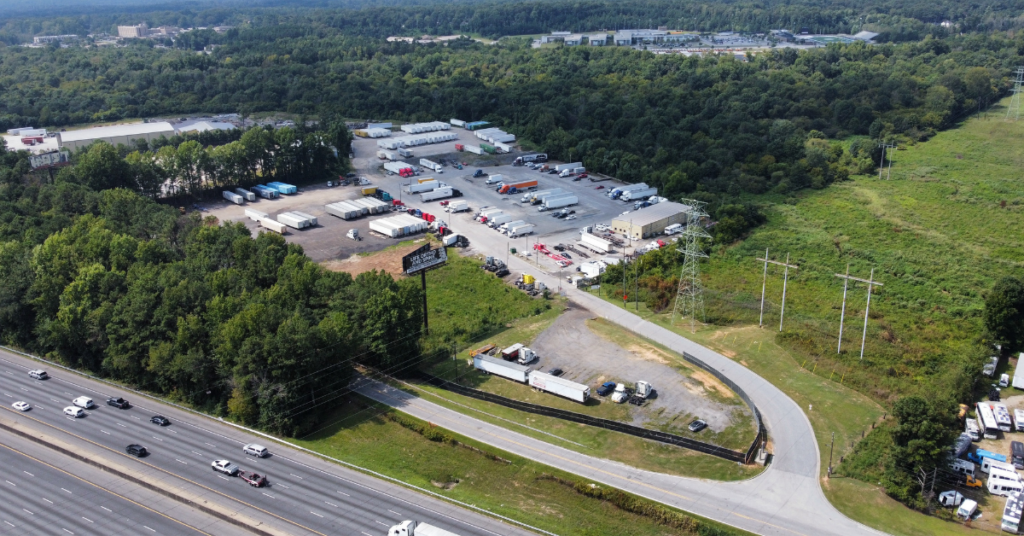
Safe parking for tractor trailer vehicles requires more than finding an open space. Drivers should consider legality, available room, lighting, security, pavement conditions, and safe entry and departure when choosing an overnight stop.
Planning ahead can make long-haul trips safer and more predictable while reducing the stress of finding a suitable place to rest. If you need a dependable place to park your truck in the Atlanta area, contact Atlanta Truck Parking LLC to learn more about available truck parking options.