
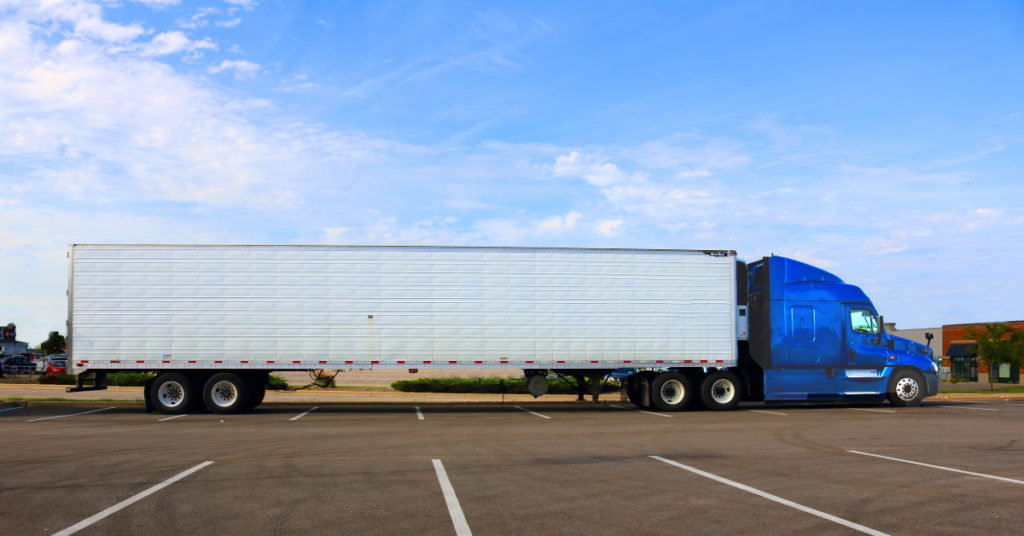
Semi trailer parking refers to designated spaces where truck drivers can safely park trailers, either short-term or long-term. It is designed for drivers, owner-operators, and fleet managers who need reliable, secure parking beyond standard roadside options. Many drivers struggle with overcrowded truck stops, limited availability, and safety concerns. Understanding how trailer parking compares to truck stops helps you make smarter, safer, and more cost-effective decisions on the road.
What Is Semi Trailer Parking and How It Works
Trailer parking is a structured parking solution specifically built for trailers, whether attached or detached from tractors. Unlike general parking, these facilities are designed with space, access, and security in mind.
Most trailer parking locations operate in one of these formats:
- Daily parking for short stops or layovers
- Monthly parking for consistent, long-term use
- Drop yard parking for detached trailers
Facilities often include:
- Gated access and surveillance systems
- Wide turning radiuses for easy maneuvering
- Clearly marked parking slots
For truck drivers, this means less time searching for a spot and more predictable parking availability.
Semi Trailer Parking vs Public Truck Stops
The key difference between trailer parking and truck stops lies in purpose and reliability. Truck stops are designed for multiple services, while parking facilities focus solely on space and security.
Truck Stops
- Offer fuel, food, restrooms, and showers
- Often first-come, first-served parking
- High congestion, especially at night
- Limited dedicated trailer parking
Semi Trailer Parking
- Focused exclusively on parking space
- Reserved or guaranteed spots in many cases
- Lower congestion and better organization
- Ideal for long-term or repeat parking needs
In simple terms, truck stops prioritize convenience, while semi trailer parking prioritizes availability and security.
Pros and Cons of Semi Trailer Parking
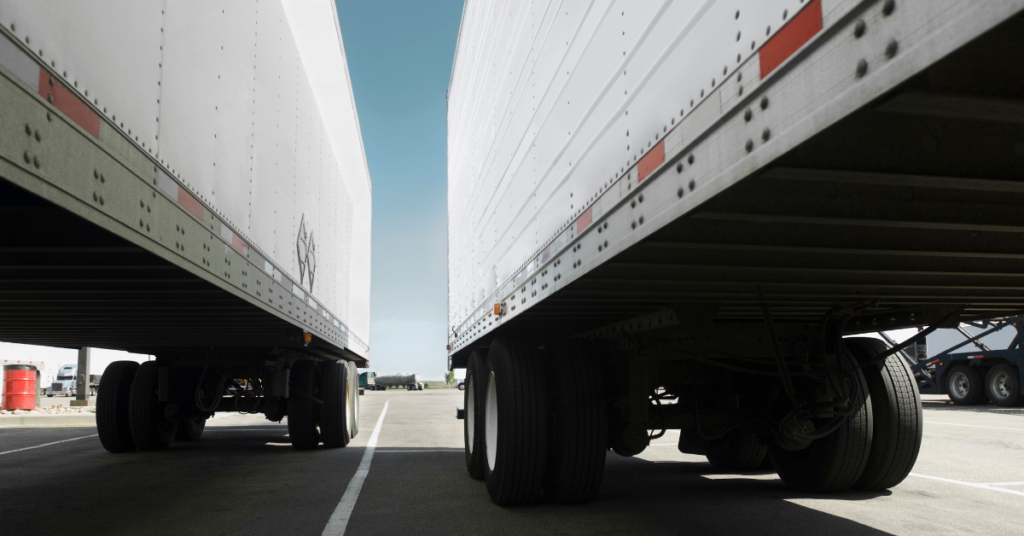
Choosing trailer parking comes with clear advantages, but also a few trade-offs depending on your needs.
Advantages
- Guaranteed availability in reserved lots
- Improved security with gated access and monitoring
- Less stress compared to crowded truck stops
- Flexible options such as daily or monthly plans
Disadvantages
- May not include amenities like showers or food
- Can require advance booking
- Costs may be higher than free truck stop parking
For drivers hauling valuable loads or working on tight schedules, the reliability often outweighs the extra cost.
When to Choose Trailer Parking Over Truck Stops
You should prioritize trailer parking when consistency and safety are critical. While truck stops work for quick breaks, they are not always dependable.
Choose trailer parking if you:
- Need guaranteed parking during peak hours
- Are parking overnight in high-traffic areas
- Manage multiple trailers or fleet operations
- Require long-term or monthly parking solutions
- Want to reduce time spent searching for parking
Truck stops remain useful for fueling and rest, but they are not always ideal for secure or extended parking needs.
Cost Comparison and Value
Cost is often the deciding factor between semi trailer parking and truck stops. While truck stop parking is sometimes free, it comes with hidden costs.
Truck Stop Costs
- Free parking but limited availability
- Time lost searching for open spots
- Increased risk of damage or theft
Semi Trailer Parking Costs
- Daily or monthly fees
- Predictable expenses
- Reduced risk and improved efficiency
From a business perspective, semi trailer parking can actually save money by reducing delays, improving safety, and protecting cargo.
FAQ
Semi trailer parking is used to safely store trailers for short or long periods. It helps drivers secure parking when truck stops are full or unreliable.
It depends on your needs. Semi trailer parking is better for reliability and security, while truck stops are better for quick access to amenities.
Costs vary by location and duration. Daily rates are common, while monthly plans often provide better value for frequent use.
Yes, many facilities offer drop yard options specifically for detached trailers, making it ideal for fleet operations.
Most facilities include security features like gates, cameras, and lighting, making them safer than many public parking options.
Conclusion
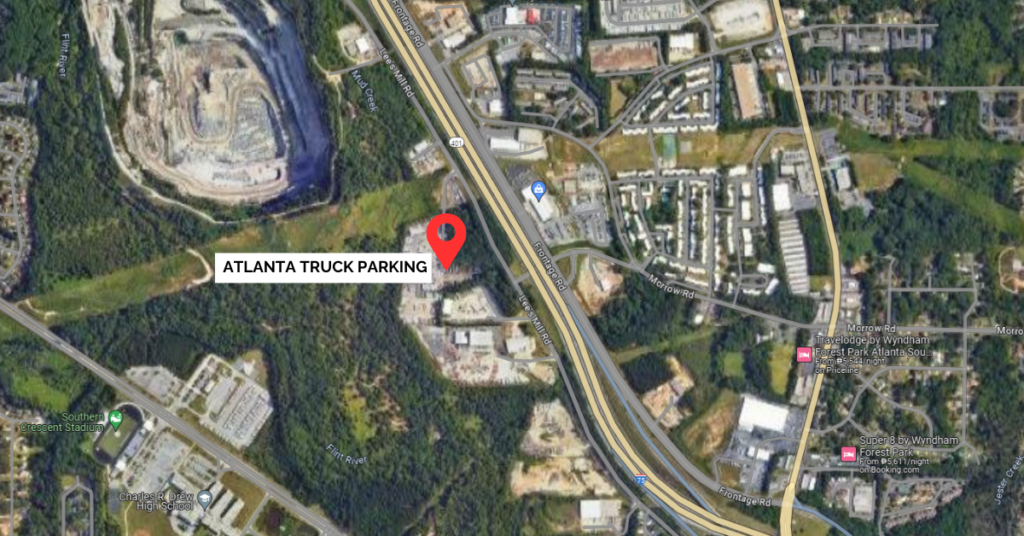
Semi trailer parking provides a reliable, secure alternative xto crowded truck stops, especially for drivers who value consistency and efficiency. While truck stops serve an important role, they often fall short in availability and long-term usability. By understanding the differences, truck drivers can make smarter parking decisions that save time and reduce risk. If you are looking for dependable options, exploring providers like Atlanta Truck Parking can help you find consistent and secure parking solutions tailored to your needs.