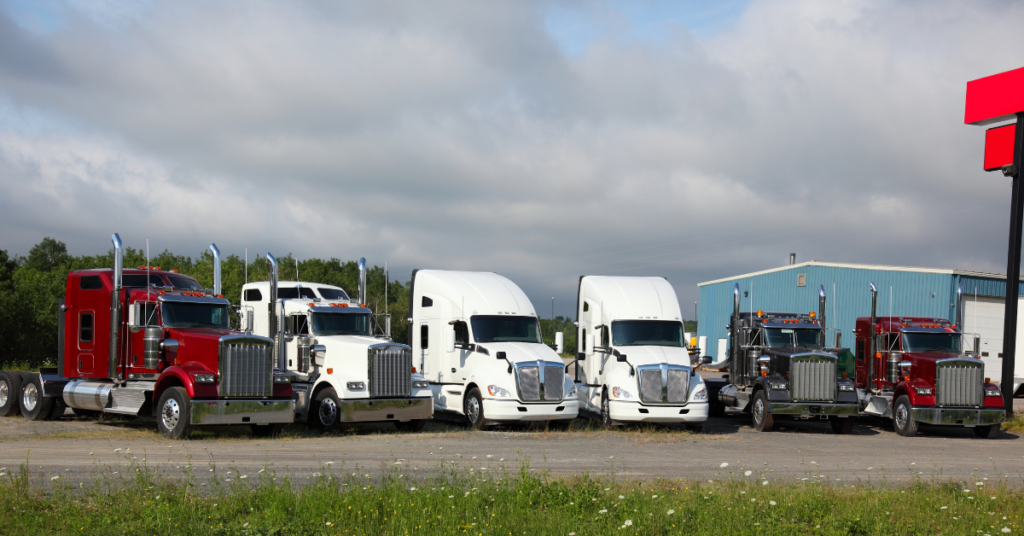
Finding a safe place to park a semi truck can become difficult when routes run through busy freight corridors. Semi Truck Parking Rental gives truck drivers access to designated parking spaces for short-term or extended stays, often near major highways and transportation hubs. Choosing a location close to the highway can reduce unnecessary driving, simplify route planning, and make scheduled stops more predictable. Understanding location, access, security, and pricing can help drivers choose parking that fits their route and schedule.
Benefits of Semi Truck Parking Rental Near Major Highways
A Semi Truck Parking Rental near a major highway gives drivers a designated place to park without traveling far from their planned route. For truck drivers covering long distances, location can affect both driving time and daily operating costs.
Parking farther from a highway may seem like a small inconvenience. However, several extra miles in each direction can add time, fuel consumption, and unnecessary stress to a trip.
Highway-accessible truck parking can provide several practical benefits:
- Less out-of-route driving
- Faster access to major freight corridors
- Easier trip and rest planning
- Reduced fuel use from searching for parking
- More predictable arrival and departure times
- Convenient access for recurring routes
Location is especially important when a driver regularly travels through the same metropolitan area. A reliable parking location can become part of the driver’s normal route rather than a last-minute stop.
Drivers should still consider more than distance alone. A parking lot that is slightly farther away may be a better choice if it offers easier truck access, better security, or more suitable parking spaces.
How Parking Rental Can Save Driving Time
A strategically located semi truck parking rental can save time by reducing the distance drivers travel to find a legal and appropriate parking space.
Truck parking shortages can cause drivers to spend valuable time searching for available spaces. This becomes particularly frustrating near large cities, distribution centers, industrial areas, and heavily traveled interstate corridors.
Drivers can reduce unnecessary searching by planning parking before reaching the end of their available driving time.
A simple process can help:
- Review the route before departure. Identify major highways, delivery locations, and likely stopping areas.
- Estimate your parking time. Consider traffic, loading delays, weather, and available driving hours.
- Identify truck parking options in advance. Avoid depending entirely on finding an open space after arrival.
- Check truck accessibility. Confirm that the entrance, exit, and parking area can accommodate your vehicle.
- Keep a backup option. Unexpected delays or route changes can affect your original parking plan.
For drivers operating under Hours of Service regulations, this preparation can be especially useful. Hours of Service rules established by the Federal Motor Carrier Safety Administration regulate how long many commercial drivers may drive and when rest periods are required.
Finding parking before available driving time becomes limited can make compliance easier and reduce pressure at the end of a shift.
Highway Access vs Semi Truck Parking Rental Cost

The cheapest parking space is not always the least expensive option overall. Truck drivers should compare the price of Semi Truck Parking Rental with the time, fuel, and mileage required to reach it.
For example, consider two parking locations. One is inexpensive but requires a significant detour from the driver’s route. Another costs slightly more but sits close to the interstate.
The second option may offer better overall value when the driver considers:
- Additional fuel consumption
- Extra vehicle mileage
- Travel time
- Traffic conditions
- Ease of highway reentry
- Frequency of parking
- Security features
- Availability of suitable spaces
This is sometimes called the total cost of parking. Instead of evaluating only the advertised parking rate, drivers consider all expenses associated with reaching and using the location.
The difference becomes more significant for recurring parking. A small detour repeated several times each week can add substantial mileage over a month.
Daily and monthly parking also serve different needs. Daily parking may suit drivers passing through an area, while monthly semi truck parking rental can make more sense for drivers who regularly operate from the same location.
Planning Easier Arrivals and Departures
Good truck parking should be easy to enter, navigate, and leave. Highway proximity matters, but the physical layout of the property can be equally important.
Semi trucks require significantly more maneuvering space than passenger vehicles. Narrow entrances, tight turns, low clearances, poor surfaces, and limited turning areas can make an otherwise convenient parking location difficult to use.
Before selecting a parking location, drivers should evaluate:
- Entrance width: Can a tractor-trailer enter comfortably?
- Turning space: Is there enough room to maneuver safely?
- Surface condition: Is the parking area paved, gravel, or another stable surface?
- Space dimensions: Can the parking space accommodate the truck and trailer?
- Lighting: Is the property adequately illuminated at night?
- Gate access: Can drivers enter or leave during required hours?
- Exit design: Can trucks return to the main road without difficult maneuvers?
Drivers should also consider traffic patterns around the property. A parking facility may be physically close to an interstate but difficult to reach during rush hour.
Checking the route with a truck-appropriate navigation system can help identify restricted roads, low bridges, weight limits, and other obstacles before arrival.
Choosing Semi Truck Parking Rental Near Your Route
The best Semi Truck Parking Rental combines convenient location with accessibility, security, availability, and suitable parking terms.
Truck drivers should first determine how the parking space will be used. Someone looking for overnight parking has different priorities from an owner-operator who needs monthly parking near a regular freight corridor.
Use the following checklist when comparing parking options:
- Measure the route impact. Determine how many miles the parking location adds to your trip.
- Check interstate access. Look at the actual driving route rather than straight-line distance.
- Confirm vehicle compatibility. Make sure the lot accepts your truck and trailer configuration.
- Review access hours. Verify that entry and exit times match your driving schedule.
- Evaluate security. Look for features such as fencing, controlled gates, lighting, cameras, or on-site personnel.
- Understand the pricing structure. Determine whether parking is charged daily, weekly, or monthly.
- Review parking rules. Ask about reserved spaces, trailer storage, overnight stays, and unattended vehicles.
- Have an alternative. Keep another parking option available in case your route or schedule changes.
Security deserves particular attention when equipment will remain parked for extended periods. A controlled parking environment cannot eliminate every risk, but features such as fencing, surveillance, lighting, and managed access can provide additional protection.
Drivers storing trailers separately should also confirm whether trailer-only parking is permitted. Some parking facilities have different policies and rates for tractors, trailers, tractor-trailer combinations, box trucks, and other commercial vehicles.
FAQ
Semi truck parking rental is a service that provides designated parking spaces for commercial trucks, tractor-trailers, or trailers. Parking may be available for daily, weekly, monthly, or longer-term use depending on the facility.
Highway proximity can be beneficial because it reduces out-of-route mileage and makes it easier to continue a trip. Drivers should also evaluate security, accessibility, traffic, parking space size, and pricing before choosing a location.
There is no single ideal distance. A useful parking location should minimize detours while still providing safe and practical truck access. Drivers should compare actual driving time rather than relying only on mileage.
Daily parking is generally better for occasional or short-term stops. Monthly semi truck parking can be more practical for drivers who repeatedly park in the same area or need a consistent location for their truck or trailer.
Useful features can include perimeter fencing, controlled gate access, adequate lighting, surveillance cameras, and on-site security personnel. Drivers should also ask how access is managed and whether the property operates around the clock.
Making Highway Truck Parking Part of Your Route
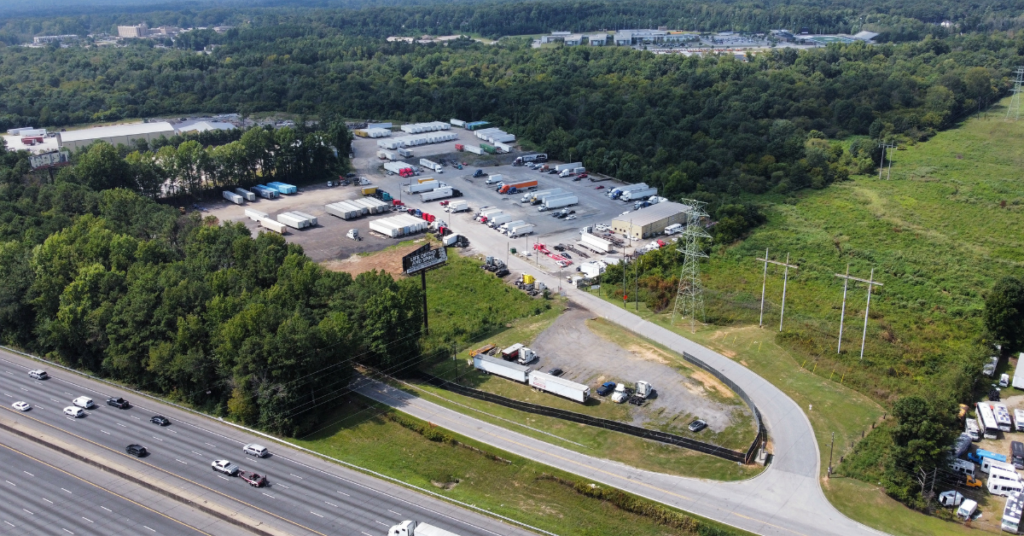
Choosing Semi Truck Parking Rental near major highways can help reduce unnecessary mileage, improve trip planning, and avoid last-minute searches for available parking. The best option offers more than convenient access. It should also provide strong security, easy maneuverability, fair pricing, and reliable availability.
Before your next trip, compare parking options along your regular freight corridors and identify both primary and backup locations. If you’re traveling through the Atlanta area, consider reserving your space in advance with Atlanta Truck Parking for secure daily and monthly parking near major interstate routes. You can also explore our related truck parking resources to plan your next stop more confidently.