
Finding a safe place to park can become one of the hardest parts of a long driving day. To reserve truck parking means securing a parking space before arriving, rather than relying on whatever is available when you stop. For truck drivers and owner-operators, reserving ahead can reduce uncertainty, unnecessary detours, and time spent searching for an open space. The key is knowing when to book so your parking plan works with your route, traffic, and Hours of Service limits.
Why Timing Matters When Choosing Truck Parking
The best time to arrange truck parking depends on your route, expected arrival time, driving hours, and parking demand.
Waiting until the end of your shift can create problems, especially along busy freight corridors. Truck stops and parking facilities near major highways may become crowded as more drivers finish their driving periods.
Parking availability can also affect how efficiently you use your remaining driving time. Spending 30 minutes searching for a space means additional fuel, mileage, and time without moving your load closer to its destination.
Planning ahead can help drivers:
- Reduce time spent searching for parking
- Avoid unnecessary detours from their route
- Plan rest periods more accurately
- Find parking that accommodates their vehicle
- Check security and access before arriving
- Reduce uncertainty near the end of a shift
Truck parking should therefore be treated as part of route planning, not simply as a decision made when the driving day ends.
How Early Should You Reserve Truck Parking?
In many situations, drivers should reserve truck parking several hours before their expected arrival, particularly when traveling through high-demand areas. For predictable trips, booking earlier in the day or before starting the route can provide more options.
There is no single booking time that works for every driver. Consider these factors before deciding when to reserve:
- Expected arrival time: Evening arrivals may require more advance planning because parking demand can increase later in the day.
- Location: Parking near major interstates, distribution centers, industrial areas, and large cities may experience higher demand.
- Day of the week: Freight activity and parking demand can vary throughout the week.
- Vehicle configuration: A tractor-trailer may have different space requirements than a bobtail, box truck, or trailer-only vehicle.
- Schedule flexibility: Drivers with strict delivery appointments may benefit from securing parking earlier.
If your route and stopping point are already known, there is usually little advantage in waiting until the last minute to look for parking.
A practical approach is to identify your preferred parking location and at least one alternative before beginning the final portion of your driving day.
Busy Days and Times to Watch For
Truck parking demand is not consistent throughout the day. Availability can change based on freight activity, traffic conditions, nearby distribution centers, and the number of drivers ending their shifts.
Late afternoon and evening often require more planning. Many drivers are looking for overnight parking during similar periods, which can make convenient locations harder to find.
Demand may also increase near:
- Major interstate exits
- Large metropolitan areas
- Warehouses and distribution hubs
- Industrial districts
- Ports and freight terminals
- Major logistics corridors
Seasonal freight activity, holidays, severe weather, and large local events can also affect parking availability.
Drivers approaching busy cities should consider parking availability before entering the area. A parking facility that requires a short planned detour may be more efficient than searching several locations after preferred spaces have filled.
When possible, reserve truck parking before entering a high-demand freight corridor, especially if you expect to arrive later in the day.
When Last-Minute Truck Parking Can Become Difficult

Last-minute parking becomes risky when your remaining driving time is limited and nearby parking options are uncertain.
Under the Federal Motor Carrier Safety Administration’s Hours of Service rules, qualifying commercial drivers have limits on how long they may drive and remain on duty. These regulations make parking planning particularly important because drivers cannot simply continue searching indefinitely when their available driving time is running low.
Consider a driver who has less than an hour of available driving time remaining. If the first parking location is full, reaching another facility could require additional travel. Traffic or an unexpected detour could make the situation even more difficult.
This is why drivers should avoid treating their final available driving minutes as their parking search window.
A better process is:
- Review your remaining driving hours.
- Estimate where you can realistically stop.
- Identify parking facilities near that area.
- Check vehicle and access requirements.
- Reserve truck parking when availability is uncertain.
- Keep a backup parking location in mind.
This creates a buffer for traffic, construction, weather, and other delays.
Parking early may occasionally mean giving up some potential driving time. However, reaching a planned parking location safely is usually more practical than using every available minute and then struggling to find a legal space.
How to Reserve Truck Parking Around Your Schedule
The most effective parking plan starts before you reach the final hours of your route.
First, estimate where you expect to be when you need your next required break or overnight stop. Consider your available Hours of Service, average travel speed, expected traffic, fuel stops, loading delays, and delivery appointments.
Next, search for truck parking around that area. Do not evaluate a facility based only on distance. Check whether it fits your specific parking needs.
Before you reserve truck parking, consider:
- Tractor and trailer size restrictions
- Entry and exit procedures
- Gate access hours
- Overnight parking rules
- Lighting and security features
- Fencing or controlled access
- Proximity to your planned route
- Reservation or cancellation policies
Drivers should also build flexibility into their plans.
For example, suppose you expect to reach your parking location at 7:00 PM. Planning to arrive with some remaining driving time gives you a buffer if traffic becomes heavier than expected.
If you know your schedule early, reserve the space earlier. If your route changes frequently, identify several parking options and make your final decision once your expected stopping area becomes clearer.
The goal is not to create a rigid schedule. It is to prevent parking from becoming an emergency decision at the end of the day.
FAQ
How far in advance should I reserve truck parking?
Reserve as early as practical once you know where you expect to end your driving period. Drivers arriving during busy evening hours or traveling through major freight corridors may benefit from booking several hours ahead or earlier in the day.
Is reserved truck parking better than free truck parking?
Neither option is automatically better. Free parking can work when availability is reliable, while reserved parking provides greater certainty when spaces are limited or your schedule leaves little room for searching.
Can I reserve truck parking overnight?
Yes. Many commercial truck parking facilities allow drivers to reserve spaces for overnight stays. Always confirm the facility’s access hours, vehicle restrictions, reservation terms, and departure requirements before booking.
What should I check before reserving a truck parking space?
Check the location, vehicle size requirements, security features, access procedures, operating hours, and parking rules. You should also confirm that the facility is reasonably close to your planned route.
What happens if I arrive later than expected?
Policies vary by parking facility. Some reservations may remain valid for the booked period, while others may have specific arrival requirements. Check the facility’s terms or contact the parking provider if a significant delay changes your expected arrival.
Plan Your Truck Parking Before You Need It
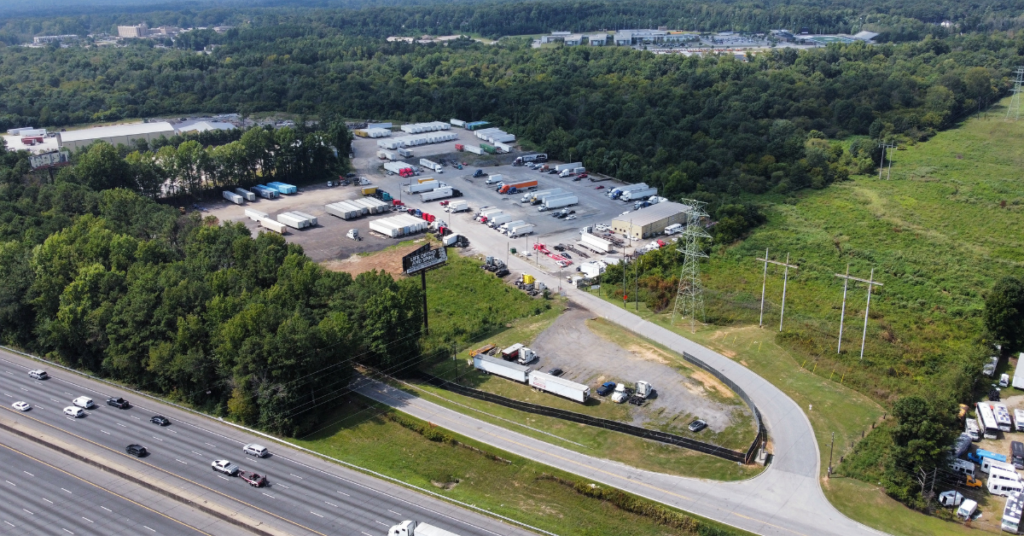
Knowing when to reserve truck parking can make route planning more predictable, especially when driving through busy freight corridors or stopping later in the day. Plan around your Hours of Service, expected arrival time, parking demand, and potential delays instead of waiting until your driving time is almost exhausted. Before your next trip, explore parking options along your route and identify where you can safely stop before you need the space. If you’re traveling through Metro Atlanta, Atlanta Truck Parking LLC is a convenient option to include in your route planning.
reserve truck parking