
Industrial truck parking is an important part of fleet management that affects operating costs, driver schedules, vehicle security, and delivery efficiency. For fleet operators managing multiple trucks and trailers, choosing the right parking arrangements can help reduce unnecessary expenses and keep daily operations organized. Understanding how to evaluate parking facilities, coordinate vehicle schedules, and track parking costs allows fleet managers to make better operational decisions. This guide explains practical strategies for managing truck parking efficiently, whether a fleet operates locally or across multiple regions.
How Industrial Truck Parking Helps Fleet Operators Reduce Delays
Industrial truck parking provides designated space for commercial vehicles, including semi trucks, tractor-trailers, box trucks, and other heavy-duty vehicles. These parking areas are often located near industrial districts, distribution centers, warehouses, and major freight routes.
For fleet operators, parking is more than a place to leave vehicles between assignments. The location and availability of parking can affect dispatch schedules, driver productivity, and travel time to the next pickup or delivery.
Poor parking arrangements can lead to several operational problems:
- Longer travel times: Drivers may need to travel farther to find an available parking space.
- Dispatch delays: Trucks parked far from their next assignment may take longer to reach loading facilities.
- Higher operating costs: Drivers may spend more on fuel and parking when designated spaces are unavailable.
- Limited vehicle availability: Poor parking plans can make it harder to assign the right truck to the next job.
Fleet managers can reduce these problems by matching parking locations with their regular delivery routes. They should look for facilities near major highways, customer locations, warehouses, and distribution centers.
For example, a fleet that serves several distribution centers in the same metropolitan area may benefit from parking near its main delivery routes. This can reduce unnecessary travel and help dispatchers manage vehicle movements more efficiently.
The goal is not just to find the closest parking lot. It is to find locations that fit the fleet’s schedule, vehicle needs, and budget.find the closest parking lot. It is to identify locations that support the fleet’s overall operating schedule, vehicle requirements, and budget.
How to Organize Industrial Truck Parking for Multiple Vehicles
Organizing industrial truck parking becomes more challenging as a fleet grows. Without a clear system, fleet managers may struggle to track vehicle locations, occupied spaces, and parking availability.
A good parking management process starts with accurate vehicle records and clear space assignments.
Follow these five steps to organize fleet parking more effectively:
- Create a vehicle inventory. Record each truck’s unit number, vehicle type, trailer setup, assigned driver, and regular operating area.
- Identify parking needs. Determine which vehicles need standard truck spaces, longer trailer spaces, or other special accommodations.
- Assign parking locations. Choose parking areas or facilities based on each vehicle’s routes, schedules, and operating needs.
- Track arrivals and departures. Record when vehicles enter and leave each facility. This helps managers monitor space availability.
- Review space usage regularly. Compare occupied spaces with reserved and available spaces. This helps identify unused capacity and possible shortages.
Fleet operators can track this information using fleet management software, shared spreadsheets, or a dedicated parking management system. The right option depends on fleet size, operational needs, and how often schedules change.
For smaller fleets, a simple spreadsheet may be enough. It can include vehicle IDs, parking locations, arrival dates, departure dates, and reservation status.
Larger fleets with multiple parking facilities may benefit from centralized software. This gives fleet managers and dispatchers a clear view of parking availability across different locations.
The physical layout of a parking facility also matters. Long tractor-trailers need enough room to turn and maneuver. Parked vehicles should not block access lanes, emergency routes, or other assigned spaces.
An organized parking system makes it easier to locate vehicles, avoid scheduling conflicts, and adjust parking assignments when operational needs change.
How Fleet Managers Can Track Industrial Truck Parking Expenses
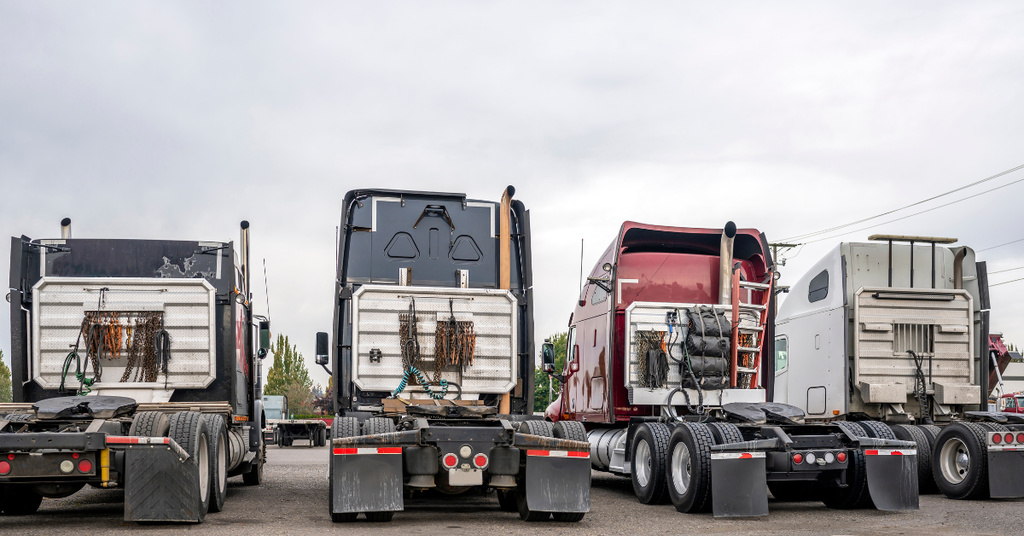
Tracking industrial truck parking expenses helps fleet operators understand where their money goes and whether their parking arrangements remain cost-effective. Parking fees may seem small compared with fuel, insurance, and maintenance. However, recurring charges across multiple vehicles can add up to a significant operating expense.
Fleet managers should review total parking costs instead of comparing advertised rates alone.
Important parking expenses include:
- Daily, weekly, or monthly fees: Regular charges for using parking spaces.
- Additional vehicle charges: Extra fees for trailers or oversized vehicles.
- Reservation or administrative fees: Additional costs for booking or managing parking spaces, where applicable.
- Travel expenses: Fuel and other costs associated with traveling to and from parking facilities.
- Unexpected parking costs: Extra expenses caused by unavailable spaces or last-minute parking arrangements.
Consider a fleet that regularly parks 10 trucks at a facility charging $300 per truck each month.
The total parking expense would be:
- Monthly cost: $3,000
- Annual cost: $36,000
This calculation assumes all 10 parking spaces remain occupied throughout the year.
This gives fleet operators a starting point for budgeting. However, the lowest monthly rate does not always mean the lowest overall cost. A facility may require longer travel routes or lack the space needed for certain trucks and trailers.
Comparing daily and monthly parking costs
Daily parking may work better for trucks with irregular schedules or short-term assignments. Monthly parking may be more affordable for trucks that regularly use the same facility.
Fleet managers can calculate the break-even point using a simple formula:
Break-even days = Monthly parking fee ÷ Daily parking rate
For example, assume daily parking costs $40 and monthly parking costs $300.
The break-even point is 7.5 days. This means a truck that uses the facility for eight or more days during the billing period may save money with the monthly option.
This is a basic cost comparison. Actual savings depend on billing rules, taxes, contract terms, parking availability, and minimum contract requirements.
To keep parking records accurate, fleet operators should compare parking invoices with reservations, vehicle assignments, and payment records.
Reviewing these expenses every month can help identify:
- Changes needed in the fleet’s parking arrangements
- Unused parking reservations
- Duplicate charges
- Opportunities to reduce parking costs
How to Coordinate Driver Schedules With Parking Availability
Parking availability and driver schedules should be planned together. A facility may offer convenient access and competitive rates, but it can still cause problems if spaces are unavailable when trucks arrive.
Fleet managers should first identify when their vehicles typically need parking. These needs may depend on delivery appointments, driver shift changes, vehicle maintenance, required rest breaks, and return trips.
A good parking schedule should include these practices:
- Estimate parking demand in advance. Use dispatch schedules and past activity to predict how many parking spaces the fleet will need.
- Reserve spaces when necessary. Confirm availability at locations with high parking demand or limited backup options.
- Allow for schedule changes. Prepare for delayed deliveries, traffic congestion, and unexpected vehicle downtime.
- Share updated information. Make parking instructions and reservation details available to dispatchers and drivers.
- Keep backup options. Identify alternative facilities in case the preferred location is full or temporarily unavailable.
Industrial truck parking planning becomes especially important during busy seasons and major increases in freight activity. Demand can also rise when several drivers return to the same area at around the same time.
Fleet managers should understand the difference between reserved spaces and general availability. A facility may usually have open spaces, but that does not guarantee availability during peak periods.
Clear communication helps drivers avoid searching for parking after a long shift. It also helps dispatchers make better decisions about vehicle assignments and delivery schedules.
Parking plans must also follow applicable hours-of-service regulations and safe-driving requirements. In the United States, commercial drivers subject to Federal Motor Carrier Safety Administration (FMCSA) rules must schedule their required rest periods.
Parking convenience should never come before driver safety or legal compliance.
How to Evaluate Industrial Truck Parking Facilities for Your Fleet
Choosing a parking facility requires evaluating its suitability for the fleet’s vehicles, routes, budget, and security requirements. Fleet operators should establish consistent evaluation criteria rather than selecting facilities based only on price or proximity.
Before committing to a facility, review these five factors.
1. Location and highway access
Look for parking facilities that provide practical access to major freight corridors, warehouses, distribution centers, and customer locations. Check the actual driving route rather than relying only on straight-line distance.
Confirm that the route accommodates the vehicle’s height, weight, length, and any applicable commercial vehicle restrictions.
2. Space and vehicle compatibility
Verify that the facility can accommodate the fleet’s specific vehicles and trailer configurations. Ask about available space dimensions, maneuvering room, turning areas, entry clearance, and restrictions on detached trailers.
A space suitable for a box truck may not accommodate a tractor-trailer combination safely.
3. Security and access controls
Review the facility’s security arrangements, including fencing, lighting, controlled entry, surveillance cameras, and on-site personnel where available.
Ask how unauthorized access is handled and whether there are procedures for reporting incidents. Security features can reduce certain risks, but no parking facility can guarantee that theft, vandalism, or other incidents will never occur.
4. Operating hours and parking policies
Confirm entry and exit hours, reservation requirements, payment procedures, and rules concerning overnight stays or extended parking. Check whether drivers can access vehicles outside standard business hours.
Fleet operators should also review cancellation policies, contract duration, rate changes, and any additional charges before making a commitment.
5. Cost and operational value
Compare the total cost of using each facility, including recurring fees and the time or fuel required to reach it. Consider whether its location and availability support the fleet’s actual operating needs.
A useful comparison should include the following information:
| Evaluation factor | What to verify |
| Location | Distance and driving time to regular routes |
| Capacity | Available spaces for required vehicle types |
| Security | Access controls and monitoring arrangements |
| Flexibility | Daily, monthly, or reservation options |
| Cost | Total fees and contract conditions |
| Accessibility | Entry clearance and operating hours |
Fleet managers can use this checklist when evaluating a new facility or reviewing existing parking arrangements. Periodic reviews help ensure that parking locations continue to meet the fleet’s changing requirements.
FAQs
Industrial truck parking refers to designated parking areas for commercial vehicles, including semi trucks, tractor-trailers, box trucks, and other work vehicles. These facilities are often located near industrial zones, warehouses, logistics centers, and major highways. Depending on the operator, parking may be available by the day, month, or another arrangement.
Fleet operators can reduce parking costs by matching parking arrangements to vehicle usage, comparing daily and monthly rates, and eliminating unused reservations. They should also consider fuel and travel time when comparing facilities. Reviewing invoices and actual parking activity regularly helps identify avoidable expenses.
Monthly parking may be more economical for vehicles that use the same facility regularly. Daily parking offers greater flexibility for trucks with irregular schedules or short-term assignments. Fleet managers should calculate the break-even point and review the contract terms before choosing an option.
Fleet managers should evaluate location, available space, vehicle compatibility, security features, access hours, parking policies, and total cost. They should also confirm that routes into the facility accommodate the dimensions and restrictions of their vehicles. The right facility should support both operational efficiency and driver safety.
Fleet managers can track parking utilization using a spreadsheet, fleet management software, or a dedicated parking system. Records should include reserved spaces, occupied spaces, vehicle assignments, and arrival and departure times. Comparing actual usage with available capacity helps managers identify shortages and unused reservations.
Conclusion
Effective industrial truck parking helps fleet operators control expenses, organize vehicles, reduce unnecessary travel, and coordinate schedules more reliably. By tracking parking utilization, evaluating facilities consistently, and matching parking arrangements to actual demand, fleet managers can make better operational decisions.
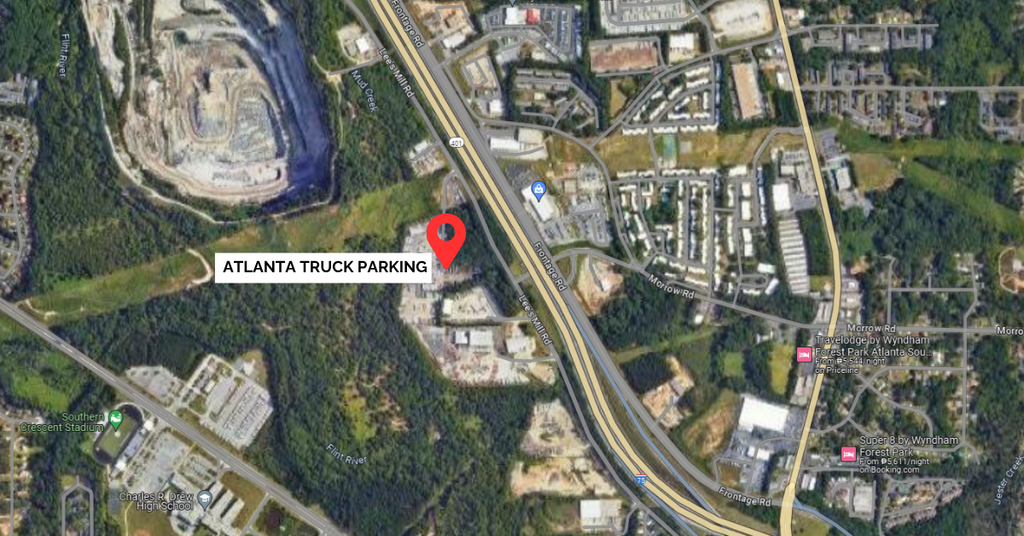
If your fleet needs a reliable parking solution in Atlanta, Atlanta Truck Parking offers spacious parking options for trucks and trailers, with a fenced and gated facility, 24/7 security guards, and HD cameras. Contact Atlanta Truck Parking today to explore our monthly parking options and find a solution that fits your fleet’s parking needs.